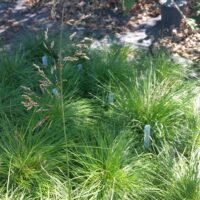
Deschampsia cespitosa ssp. cespitosa
Tufted hairgrass has a large natural distribution, in both the northern and southern hemispheres, in high elevation mountains as well as lower elevations along the coast. The seed for this crop is from coastal Sonoma County, a good choice for low elevation gardens. Forms a deep-green bunch of finely textured blades up to one foot tall with airy flower panicles extending two foot or more above the foilage. Useful framework among wildflowers or with perennials and shrubs. Sun to light shade and a little summer water. Deer resistant.
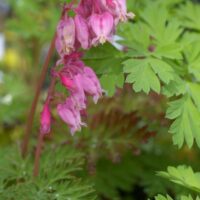
Dicentra formosa
Ferny foliage makes a lacy groundcover in shady areas. Clusters of pendulous, pink, heart-shaped flowers in spring and into summer. Will spread rapidly when happy, enjoying moist but not soggy woodland conditions. Tolerates dry shade where it goes dormant with drought. Early nectar source for hummingbirds and bumble bees. Deer resistant.
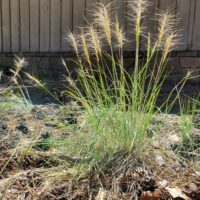
Elymus elymoides
A species of wild rye, this tough, native, widespread, perennial grass, sports distinctive seed heads with a bottlebrush or squirrel tail appearance. Super adaptable and willing to withstand a wide range of soil types and depths. Even tolerates serpentine soils. Able to make a living in full sun where it is extremely drought tolerant. Grows one foot to 18 inches tall with shimmering, purple-toned flower spikes that age to beige, bristly, seed heads. A dependable re-seeder, perfect for sunny, low water using landscapes and erosion control. Host plant for a number of butterfly and moth species including the woodland skipper. Deer resistant.
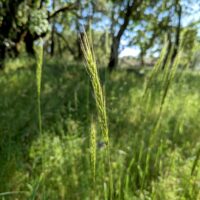
Elymus glaucus
A stiffly upright, clump-forming grass with blue-green blades, native to much of the western U. S.. The flowers form bristle-tipped, narrow, vertical spikes, rising 2-4 feet tall. Easy to grow and a strong reseeder for full sun to light shade. Summer water keeps plants green longer, but will go dormant with drought. This very adaptable grass is excellent for bank stabilization in challenging soils. Deer resistant.
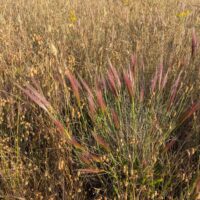

Elymus spicatus
Native to mountainous regions of the western US, where it lives in many plant communities. Grows to around 3 ft. tall with blue-gray blades and blooms in early summer. Narrow flower spikes have long awns that bend at right angles to the stem. Widely used in revegetation for its adaptability where it grows in many soil types, except for high alkalinity or excessive moisture. Plant in full sun to light shade, where it will be drought tolerant once established. Host to a number of butterfly and moth species. Deer resistant.
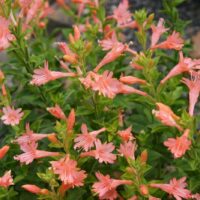
Epilobium canum ‘Coral Canyon’
This elegant and unusual form of the California fuchsia offers a prolific display of peachy-pink flowers, a departure from the more common orangey-red blossoms. The late-summer, autumn blooms are held on distinctly upright stems reaching 1 ½ ft. high above broader, bright green foliage. Unlike most native fuchsias, this selection is somewhat shy to spread, generally forming a rounded mound about 2 ft. wide. Enjoys full sun, but will benefit from a little afternoon shade in hot areas. Likes moderate to occasional irrigation. Hummingbirds and bees partake from the flowers. We must thank Cistus Nursery for discovering the parent plant on a high ridge above the North Fork of the American River.
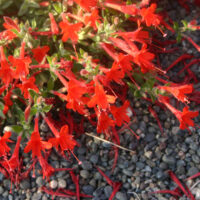
Epilobium canum ‘Everett’s Choice’
A low, spreading form of Californica fuchsia staying below one ft. in height. Distinctive for its fuzzy, gray-green foliage with many scarlet tubular flowers from summer through to fall. Good for sunny areas, though tolerates light shade. Flowers best with occasional deep watering. Attracts hummingbirds. Pruning plants down to a few inches in late autumn helps to rejuvenate them for the following year.
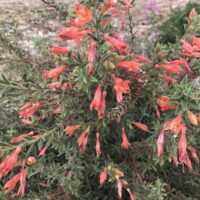
Epilobium canum ‘Sierra Salmon’
California fuchsias have many charms, blooming in late summer into fall with hummingbird attracting, tubular flowers, mostly in shades of red and orange. 'Sierra Salmon' offers unusual salmon-colored blossoms on soft blue-green foliage. This cultivar doesn't tend to wander like some can and forms dense clumps of erect stems 12 - 24 inches tall and wide. Looks wonderful amongst rocks or boulders, in perennial borders or to add pizazz with grass and shrub plantings. Plant in full sun with occasional summer water. Prune down to a few inches after blooms are done.

Epipactis gigantea
Here’s a native orchid that’s easy in cultivation. In time it will form a colony producing many flower stems. Each stem holds several interesting orchid blossoms of subtle orange, coral and green tones 12 - 18 inches tall. Dies back to the ground in winter. Best with decent drainage and regular to moderate moisture (NOT soggy soils) and dappled shade part of the day. Wonderful addition to the woodland garden, around pond or near streams. Good in containers too.
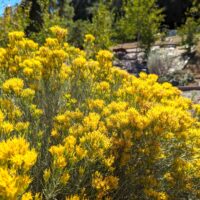
Ericameria nauseosa
This classic plant of the high desert grows in dry, hot, rocky areas throughout much of interior California and throughout the West. In summer and autumn, clusters of golden, star-like flowers cover the tips of the white branches on this low, rounded shrub which reaches up to 3 - 4 ft. tall and wide. Fine, white hairs cover the narrow leaves, giving the plant a ghostly grey-white appearance. Needs a sunny location with excellent drainage and little to no irrigation once established. Bees and butterflies love the flowers. A larval host for the northern checkerspot butterfly.
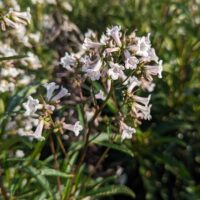
Eriodictyon californicum
Uncommon in the nursery trade, this aromatic, evergreen shrub is native to dry habitats of chaparral and mixed evergreen forest plant communities in North and Central California and into Oregon. An opportunist, this shrub stump sprouts after fires and grows with renewed vigor after any soil disturbance. The dark green, leathery leaves are covered in a shiny, fragrant, resin and are sticky to touch. The common name means, holy herb, and the pungent leaves have a long history of medicinal uses. Grows 3 - 5 ft. tall and spreads by underground roots to form a colony. Late spring brings clusters of small, trumpet-shaped flowers of pale lavender, sometimes white or pale blue, which are highly attractive to butterflies, hummingbirds and bees. Plant in full sun with good drainage and little water once established. Deer resistant.
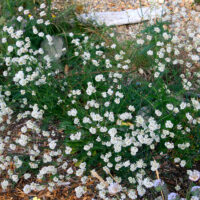
Eriogonum nudum
Few natives are as excellent a source of nectar for bees and butterflies as the buckwheats. This widely distributed species is known for its elegant flower displays on naked stems rising one to three feet above low mounds of grey-green leaves. Naked buckwheat has flower pom-poms ranging in color from white to pink set on slender stems in open clusters up to twelve inches wide. Blooms from late spring into early autumn. Provide full sun to very light shade in soil with decent drainage. Drought tolerant once established. Generally deer resistant.
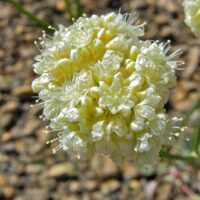
Eriogonum nudum – soft yellow form
This seed strain of the naked buckwheat hails from a particularly robust population found in blue oak savanna, in the foothills of Tehama County. It has soft, buttery-yellow inflorescences, rather than the more common white or soft pink flowered forms. 3-5 feet tall, chunky stems topped with soft yellow, pom-pom shaped flower clusters emerge from a low, narrow, evergreen rosette of rounded leaves from May-August. Provide full-sun, good soil drainage, and little to no water once established. Native bees and butterflies enjoy the flowers. Great for rock gardens. Drought-tolerant.
Eriogonum umbellatum
Intense yellow flowers in flat-topped clusters sit atop short stems above grey to green foliage. Ranging in height from 10 to 18 inches, this highly variable and widely distributed California native is an excellent addition to the drought tolerant garden. Provide decent drainage and occasional to no irrigation once established. Full sun to light shade. Just like all buckwheats, this species is loved by bees and butterflies. The foliage is deer resistant but they may nibble the flowers.
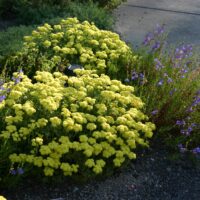
Eriogonum umbellatum var. polyanthum ‘Shasta Sulphur’
A striking selection of the sulphur flower buckwheat. Great choice for a dry sunny border or rock garden with decent drainage. Grows 1 1/2 ft. tall and up to 5ft. wide. Smothered with clusters of intensely yellow flowers in spring which fade to orange russet then coppery brown. Needs full sun to bright shade and is drought tolerant once established. Buckwheats have substantial wildlife value, providing pollen and nectar for bees and butterflies, larval food for butterflies, seeds for birds and cover for many creatures. The foliage is deer resistant.
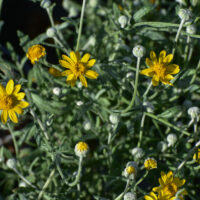
Eriophyllum lanatum – inland form
A cheerful native perennial with yellow, daisy-like flowers from spring to fall. While the species varies in size and habit, our seed-grown strains are upright, reaching around 1.5-3 feet tall and wide when in full bloom. The woolly foliage tends to be silvery, but comes in shades of green, and is most lush and dense around the base. Woolly sunflower is found in a range of plant communities from Central California through the Pacific Northwest, thriving in sun to part-shade. Our seed-grown plants come from hot, inland sites where they grow on dry, rocky slopes and bluffs. Tolerates various soil types with good drainage and minimal irrigation once established. The sunny, 2-in. blossoms are butterfly favorites and attractive to bees and other pollinators. A good choice for rock and habitat gardens. Deer and gopher resistant.
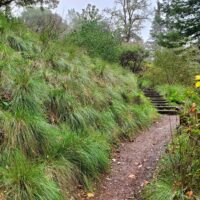
Festuca californica
California fescue is a beautiful native bunchgrass often seen cascading down oak studded slopes. Blue-green leaf blades 1 1/2 ft. tall with graceful, airy flower stalks rising another 2 ft. above the foliage. A natural for under native oaks where they receive light shade and little summer water. Accepts full sun near the coast. They are drought tolerant once established. Deer resistant.
Festuca californica ‘Long Canyon’
We selected this unusual form of California fescue from the Trinity Mountains in Northern California. Features remarkably broad, stiff leaves colored an appealing silvery-grey reaching up to about 18 inches in height. In late spring, slender, airy grass flowers rise another 2 ft. above the foliage. Grows naturally in partial shade under oaks where it can be very drought tolerant once established. Similar to ‘Scott Mountain’, but with taller, more silvery foliage. Deer resistant.
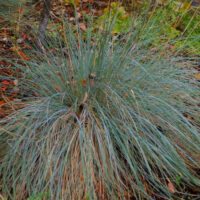
Festuca californica ‘Phil’s Silver’
A bunch grass selected from seedlings grown from seed collected almost within sight of the ocean (Shell Beach area, Sonoma Coast). Gray-green in spring, it turns more silver-gray as the dry season progresses. Relatively dense (2 ft. X 2 ft.) foliage with unusually stout and heavy grass-flowers, this robust clone holds up well throughout the season. Its cultivar name is a pun for baby boomers that watched the 50’s show The Phil Silver’s Show, starring Phil Silvers. It prefers good drainage and bright shade inland with little to occasional summer water. Deer resistant.
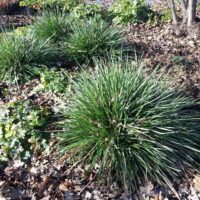
Festuca californica ‘Scott Mountain’
A Native Sons Nursery selection from Siskiyou County. A good choice for gardens with limited space where the typical California fescue may prove too large. Smaller, stiff. blue-green blades to 1 foot tall with airy flower stems rising to 3 ft. tall. Will accept full sun along the coast but best with light shade. Wonderful understory grass among trees and shrubs or other partly shaded areas. Can stand alone or use in drifts for a wonderful textural effect. Drought tolerant but appreciates a little supplemental summer water. Deer resistant.
Festuca californica ‘Willits Giant’
Living up to its name, this selection is extremely robust, growing twice the size of typical California fescue. Wide gray blades grow in mounds about 3 ft. tall and wide. The grass flowers rise 5-6 feet tall with loose inflorescences dangling from the arching stems. Useful as a specimen or in drifts, this grass serves as a sturdy ground cover in deciduous oak woodlands or other lightly shaded areas. Drought tolerant once established but thrives with occasional summer water. We selected this cultivar from a seed crop collected near Willits, Mendocino County. Deer resistant.
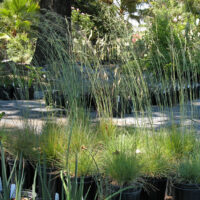
Festuca idahoensis
A modest sized native bunchgrass with beautiful green to blue-green, fine-textured foliage. The blades grow eight inches to 1 ft. tall with flower stems 18 inches to 2 ft. tall. Grow in full sun to light shade. Appreciates some protection from hot afternoon sun, especially inland. Drought tolerant, though a little water in hot regions is helpful. Deer resistant.
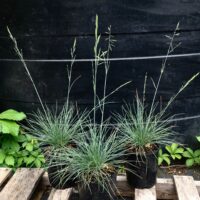
Festuca idahoensis ‘Little Bald Hills’
This tidy little beauty was discovered on the south fork of the Smith River in Del Norte County. Soft, blue-grey leaves form a dense little mound about 10 inches high by a foot wide. Airy grass flowers rise another foot with chalky-blue stems. Enjoys full sun near the coast but will appreciate some afternoon shade in hot, inland areas. Needs moderate to infrequent irrigation once established. Plant with iris, yarrows and buckwheats to create a little meadow in your own garden. Deer resistant.
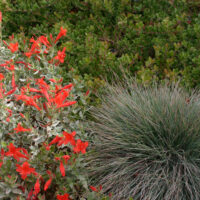
Festuca idahoensis ‘Muse Meadow’
Idaho fescue is a widely distributed native bunch grass growing in seasonally dry habitats below 5,000 ft. The cultivar ‘Muse Meadow’ was selected in the Marble Mountains by Nevin Smith of Suncrest Nursery. Forms hummocks of fine-textured blue blades around 6 inches tall, making it one of the smallest native Idaho fescue cultivars. The flower stems are 12 - 18 inches tall and become straw colored with age. Best in well drained soils in full sun or partial shade. Protect from the hot afternoon sun in hot areas. Provide moderate to occasional irrigation. Deer tolerant.
Festuca idahoensis ‘Stony Creek’
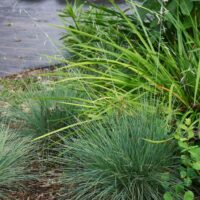
From Del Norte County comes this blue-gray native. Tolerant of full sun even inland, getting chalkier with summer scorching, but would prefer some afternoon shade. It grows to about 12 inches by 18 inches, with inflorescences rising to 2 ft in height. Enjoys moderate to occasional water. Good drainage, as its name implies. Deer resistant.
Festuca idahoensis ‘Warren Peak’
A Nevin Smith selection of Idaho fescue from the Warner Mts. in northeastern California. Forms dense 8 inch hummocks of very narrow bright green blades that become grey-blue with age. Perhaps the bluest of the native Idaho fescues. The 1 - 2 ft. tall flowering stems are silvery in color. Best in well draining soils in full sun to part shade (especially in hot regions) with moderate to occasional water. Deer resistant.
Festuca occidentalis
Western fescue has a wide distribution in western north America, largely found in low to mid elevations of Central California north to British Columbia. Native to conifer, oak and mixed evergreen woodlands where it grows in light shade. Forms dense tufts of fine evergreen foliage 6-12 inches tall. Delicate flower panicles on stems rise 2 ft. or so above the blades in early spring or summer. A nice accent in lightly shaded areas with decent drainage and some summer moisture. Deer resistant.
Fragaria vesca
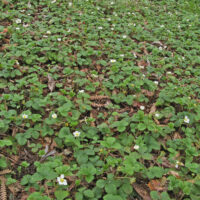
This native woodland strawberry is a great colonizer and can cover a lot of ground in a hurry. Pretty little white flowers are followed by small, tasty, red berries. Tolerates drought but best with a little summer water. Well suited for under oaks and conifers. Said to be deer resistant.