OUR NURSERY
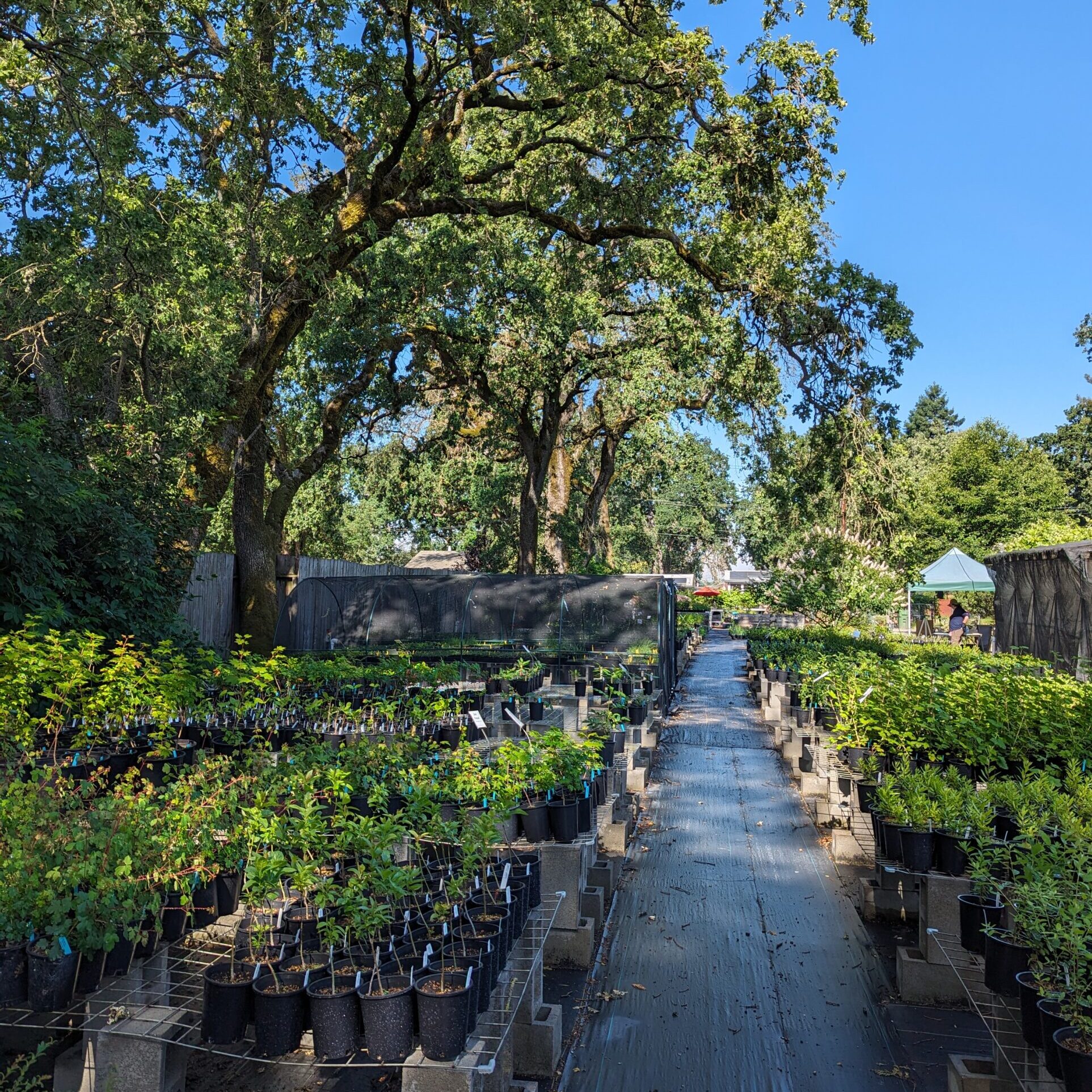
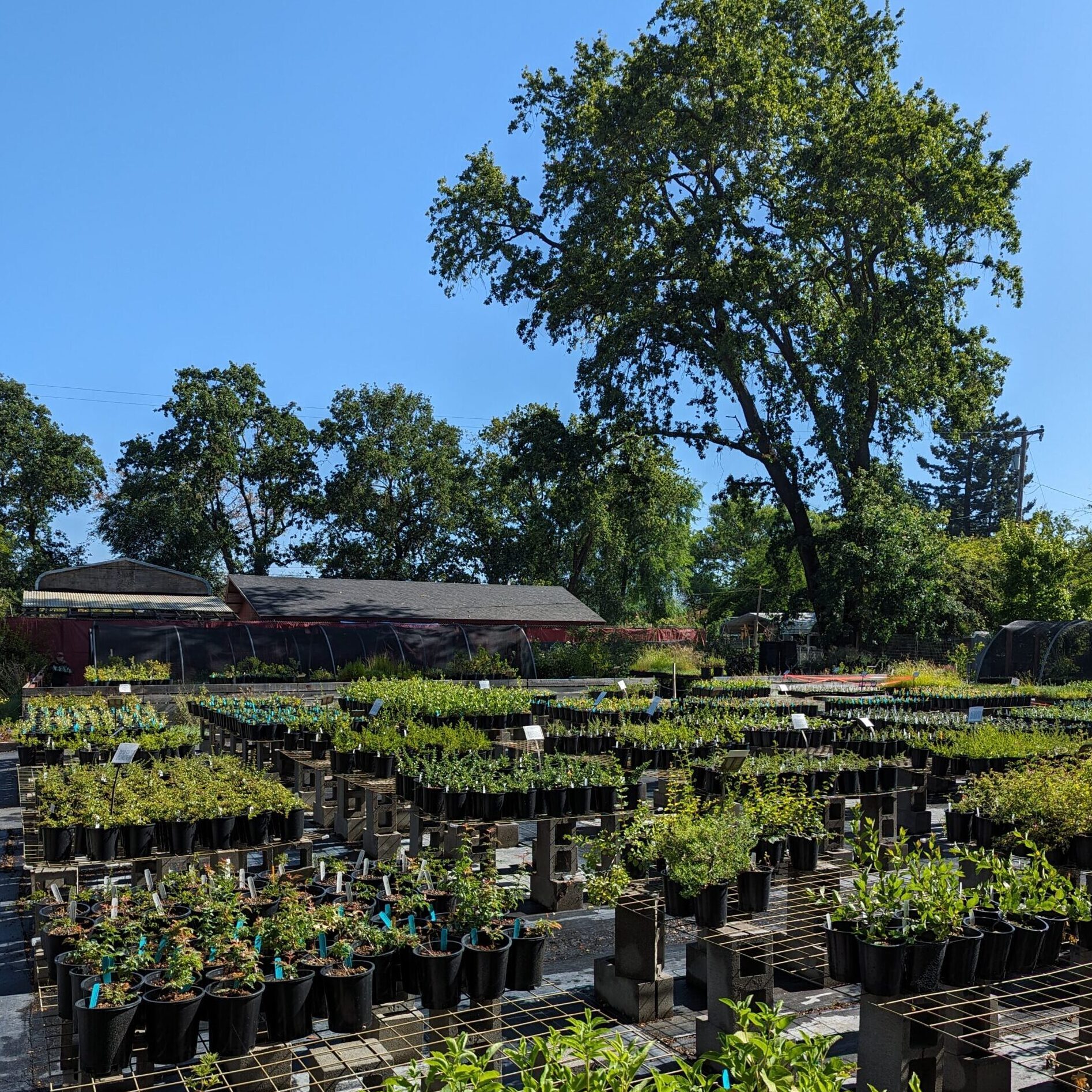
California Flora Nursery is devoted to natives and habitat gardening, with attention to local Bay Area needs and conditions. Visit us at 2990 Somers Street, Fulton, CA to explore our excellent offerings. Our enthusiastic team is knowledgeable about how to select and care for native plants and can help with finding pollinator-friendly, low-water, and fire-safe landscaping options. Healthy plants are our priority. Our many sanitation protocols make us one of the cleanest nurseries in the North Bay.
We’re open all year, but our hours do shorten during the winter. We do not ship or mail order.
MISSION
Our nursery specializes in propagating plants onsite, with an emphasis on wild-sourced, seed-grown species, as well as cutting-grown selections. We aim to make the most in-demand natives readily available to customers, as well as provide a diverse range of California’s more unusual and hard-to-find species.
We offer species from all over the state; from windswept coastlines to Sierran peaks, and rich grasslands to rugged chaparral. One of our specialties is manzanitas, but we love the diversity of all of California’s native species.
Although we have a particular emphasis on seed grown plants, over the years, Cal Flora has introduced many wild selections from cuttings into the nursery trade, such as Monardella villosa ‘Russian River,’ Festuca californica ‘Phil’s Silver,’ and Calamagrostis ‘Little Nootka’— just to name a few.
PLANT AVAILABILITY
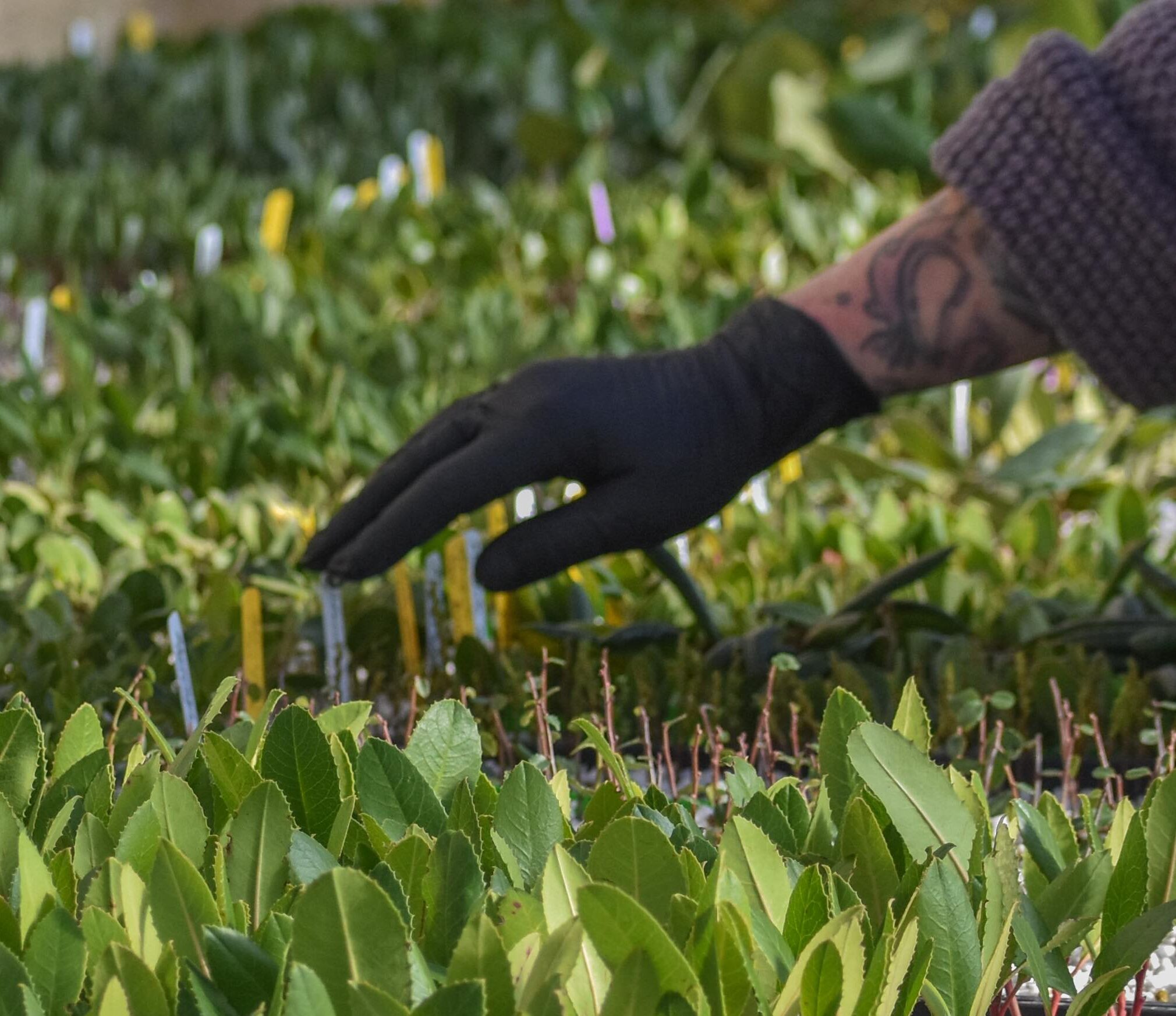
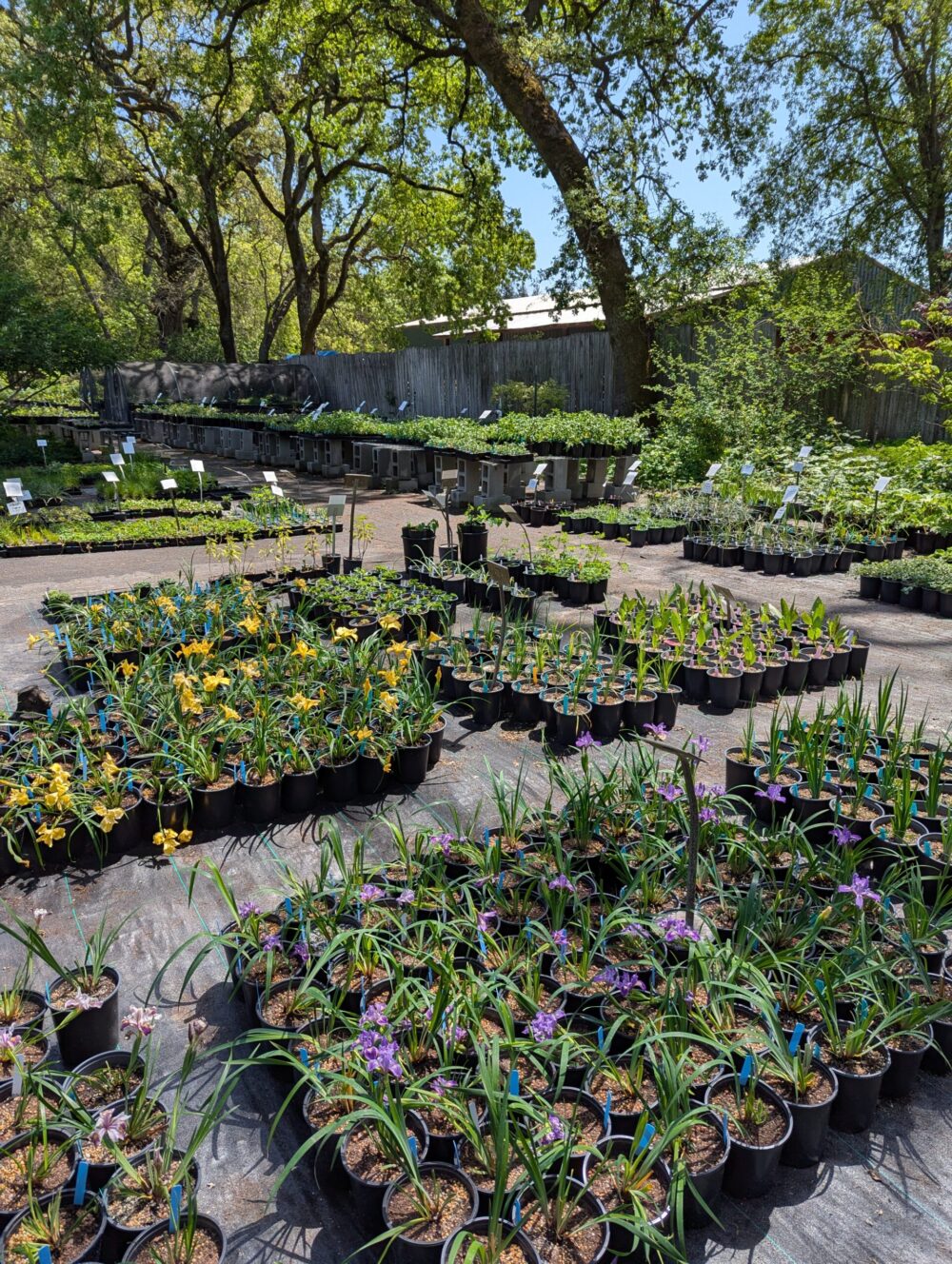
Due to the nature of many Californian species, and since we grow most of our plants ourselves, there is a seasonality to our offerings. Some native species are only active in the winter and spring, so those we only have available during those months. Additionally, there are plants which can only be propagated at a certain time of year and can’t be offered in all seasons. For example, most of our annuals and bulbs are only available during winter and spring. While woody shrubs and trees are generally for sale all year, our best selection is during the autumn and winter months.
With the growing demand for native plants, as well as the aforementioned complexities of propagation, our inventory fluctuates quite a bit through the year:
- Winter is our slowest time for selling plants, but is one of our busiest time for making them. Our inventory is at its lowest during this season.
- Spring is when our inventory and demand begin to grow. Every week we will have new plants becoming available.
- Summer is a slower time for sales due to the warmer weather, but we are busy potting plants up to be well prepared for the autumn rush.
- Fall is our busiest time of year, so our inventory is at its fullest at the beginning of September, but it starts to get low by the end of October. If you are looking to plant with the autumn rains, it may be wise to buy plants a little early and keep them until the rains arrive. By November, our supply of many species, especially perennials, is often getting sparse.
Return Policy
Due to sanitation protocols regarding the spread of Phytophthopra, we are no longer able to accept plant returns or used nursery containers. However, we do stand behind our plants and endeavor to provide healthy material when it leaves the nursery. If a plant has not performed well and the customer believes it was an issue with the plant, we are happy to discuss the situation and issue a credit if it is appropriate.
OUR PEOPLE
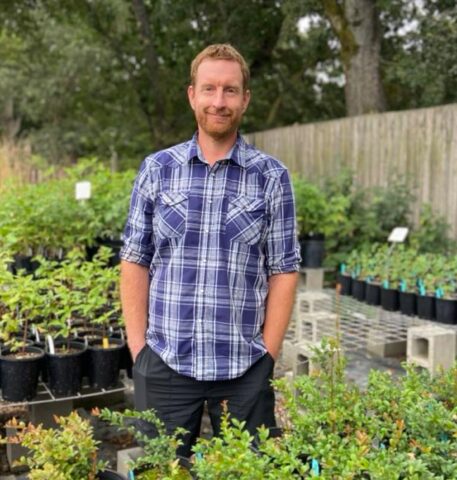
Josh Williams — Nursery Owner
As owner of Cal Flora, Josh Williams is always on the lookout for new forms of our native species and fresh ways to entice people into planting more natives. His life-long fascination with California’s flora began as a child while hiking and camping with his family. Since then, he has sought to bring what he saw in nature into the garden setting, mimicking natural landscapes through selection and repetition of plant species. His current focus is on ecological gardening, where each section of a landscape represents a different plant community.
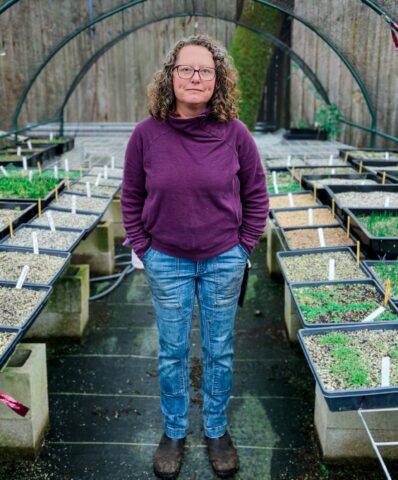
Amber Huntington — Nursery Manager
Cal Flora’s nursery manager, Amber Huntington, brings her many years of plant-propagation experience and her expertise as botanist-in-residence for Pepperwood Preserve. Her early interest in botany and native plants was encouraged by her physicist grandfather who took her out into northern California’s natural areas where they collected flowers to observe under his homemade microscopes, and which they photographed with the cameras he machined. Amber has worked together with Josh in growing and promoting native plants since they both joined the nursery in 2009. At her residence on Pepperwood, she focuses on botanical exploration, native gardening, and studying the phenology of oaks.
Shaliea Giegerich — Assistant Nursery Manager
Shaliea joined our team in 2016, bringing a wealth of experience from her time working at Central Coast Wilds Nursery in Santa Cruz. Her knowledge of native plants and hardworking ethos led to a promotion to her current position in 2020. Growing up in rural Oregon, she developed a love for wild areas. Her time in Santa Cruz gave her a particular appreciation for the California coastline and redwood forests. While there, she studied native plants and propagation at Cabrillo College. Shaliea’s warm personality and friendly nature have made her a particularly welcoming presence here at the nursery.
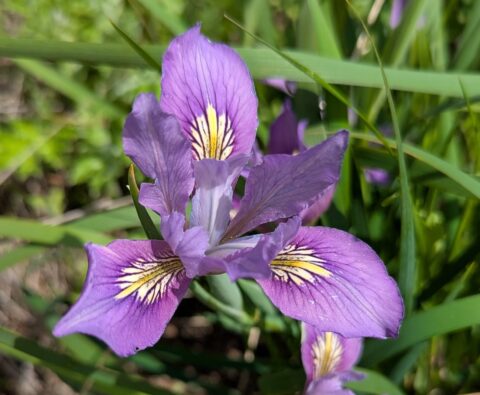
Shaliea’s profile photo plant selection: Iris douglasiana (Douglas iris).
Alicia
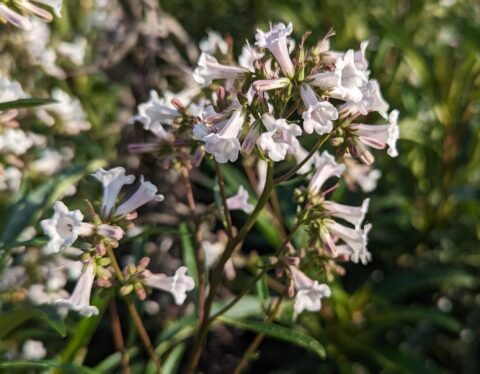
Alicia has worked with us since 2021, quickly becoming a skillful propagator, especially in the field of cuttings. After spending eight years as a preschool teacher, and five more running her own school, she changed course to explore her love of native medicinals, attending the California School for Herbal Studies. Alicia’s knowledge of therapeutic plants has helped to educate others and her propagation ability has allowed us to offer new plants. Her remarkable talents with cuttings have led us to comment with admiration on her ‘magic touch’.
Alicia’s profile photo plant selection: Eriodictyon californicum (yerba santa).
Jack
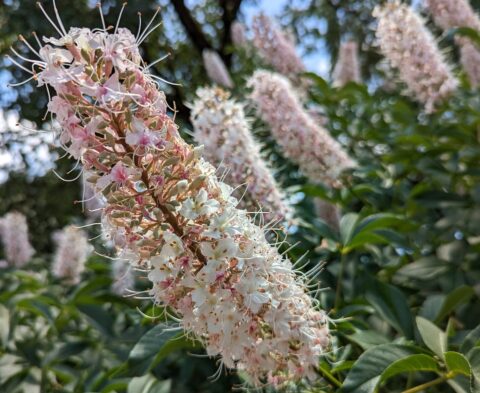
Jack has been with Cal Flora since late 2023. His interests include watershed ecology, restoration, and ethnobotany. Discovering edible plants is his way of decolonizing our landscapes and transitioning from a destructive industrial food system. Jack is a certified arborist, a California Native Plant Society – Milo Baker board member, and has a degree in geography, environment, and planning from Sonoma State University. His hard work, easy going attitude, and inquisitive mind make him a joy to work with.
Jack’s profile photo plant selection: Aesculus californica (California buckeye).
Joe
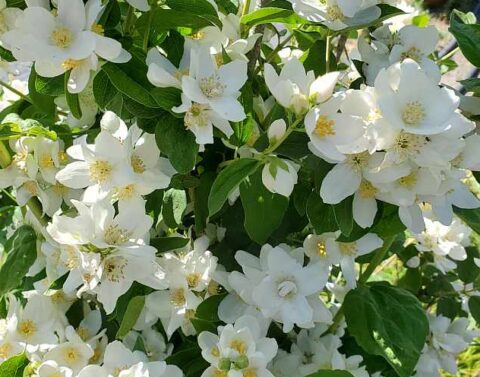
Joe is the newest member of our crew, but has already endeared us with his entertainingly nerdy sense of humor, love for plants, and extensive propagation experience. He studied horticulture at Santa Rosa Junior College, receiving their Teacher Fellow Scholarship. Nursery work has been a part of his life for the last twenty years, but he has been a true plant dork his whole life, especially regarding orchids, old fashioned heirloom roses and the Bromeliaceae family. And he isn’t afraid to hug a tree, every now and again.
Joe’s profile photo plant selection: Philadelphus lewisii (mock orange).
Kaitlin
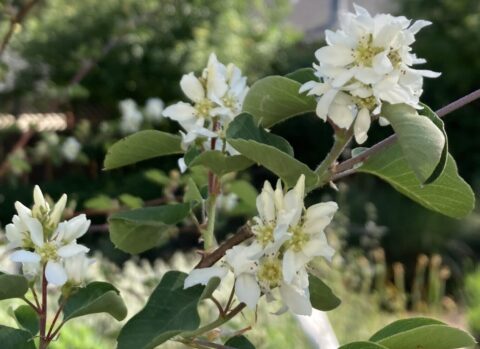
Bio coming soon!
Kaitlin’s profile photo plant selection: Amelanchier alnifolia (serviceberry).
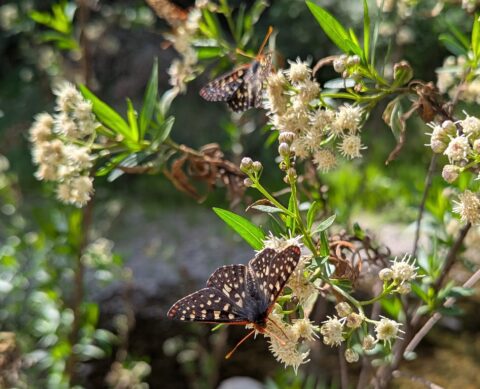
Nathan
Nathan joined us in 2017, from a background in many fields, but especially art. After attending The Cooper Union in Manhattan, he received his MFA in painting at Yale. He is very active in local art exhibits, as well as in the field of conservation agriculture, implementing the use of our native flora in agronomy. In 2017, he founded Escolar, “an art and design research collective working at the intersection of regenerative agriculture and cultural production.” We are so fortunate Nathan makes the time to lend us his skills in production, as well as in many other areas, such as construction and design.
Nathan’s profile photo plant selection: Baccharis salicifolia (mule fat).
Niki
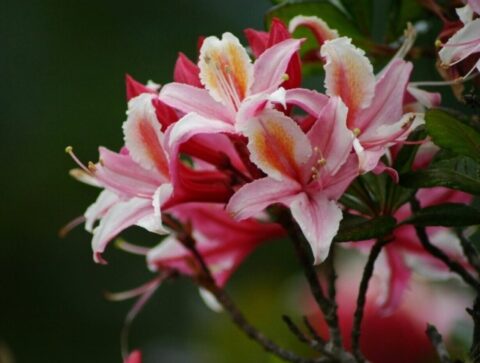
Niki is an avid reader, musician, and hiker. Originally from the Midwest, she can hardly imagine life without her native California plant friends. She has a background in Ethnobotany and Ethnoecology, with degrees in Social Work and Latin American Studies. She has worked in the fields of environmental education, language acquisition, pharmacology, and informational resources, reflecting her broad interests. She has traveled extensively and lived in Asia and Latin America. Se habla español. Since joining the nursery in 2024, her attention to detail has helped us, and our plants, grow.
Niki’s profile photo plant selection: Rhododendron occidentale (western azalea).
OUR HISTORY
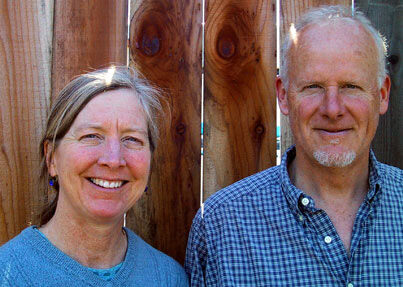
Cal Flora was founded in 1981 by Phil Van Soelen and Sherrie Althouse. They met at Circuit Rider in Windsor, working together at the nursery. After a short time, they decided to join forces to open a nursery with plants grown and propagated on site. Their hope was to have a purely California native nursery, but the lack of demand at that time made that difficult, so they branched out with hard-to-find and non-invasive Mediterranean species to augment their native offerings.
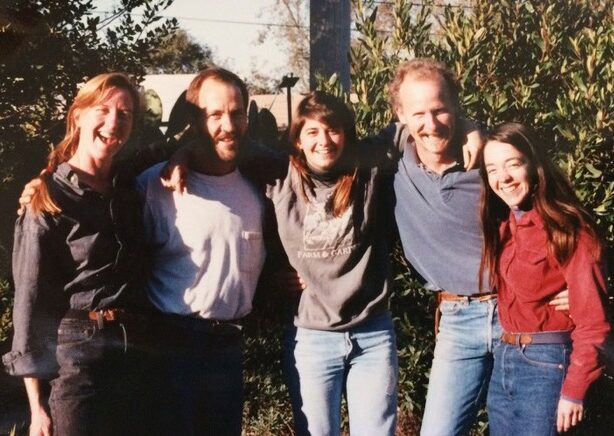
Over the years, Cal Flora became known as a specialty collector’s nursery, featuring many plants not grown elsewhere. Liz Fial became the longtime Propagation Manager, bringing her experience and skill to cutting production and seedling transplant. A key part of the nursery’s focus was finding and propagating new plants each year. This could mean collecting seeds of lesser known species or finding attractive or unusual specimens, taking cuttings and introducing them as named selections. Beginning around 2010, interest in natives began to grow, allowing the nursery to focus more on native species. Over the years, the nursery has introduced many named California native plants into the trade, such as ‘Sonoma Coast’ yarrow, ‘Phil’s Silver’ California fescue, ‘Russian River’ coyote mint, and ‘Little Nootka’ reedgrass, just to name a few.
In 2020, Sherrie and Phil sold the nursery to their Nursery Manager, Josh Williams, a plan that had been in the works for quite a few years. Since then, Cal Flora has expanded their footprint to meet the rapidly increasing demand for natives. As of 2026, Cal Flora is nearly entirely native, with only a few exotic species still grown to meet the needs of some customers. Interest in habitat plants to support native bees, butterflies and birds has also blossomed, helping to contribute to the general excitement about natives.
The focus has shifted somewhat towards seed propagation, but the introduction of new selections is still a high priority. The variety of species and selections offered each season continues to make Cal Flora an exciting place to work and shop.
OUR PLANTS
OUR PROCESS
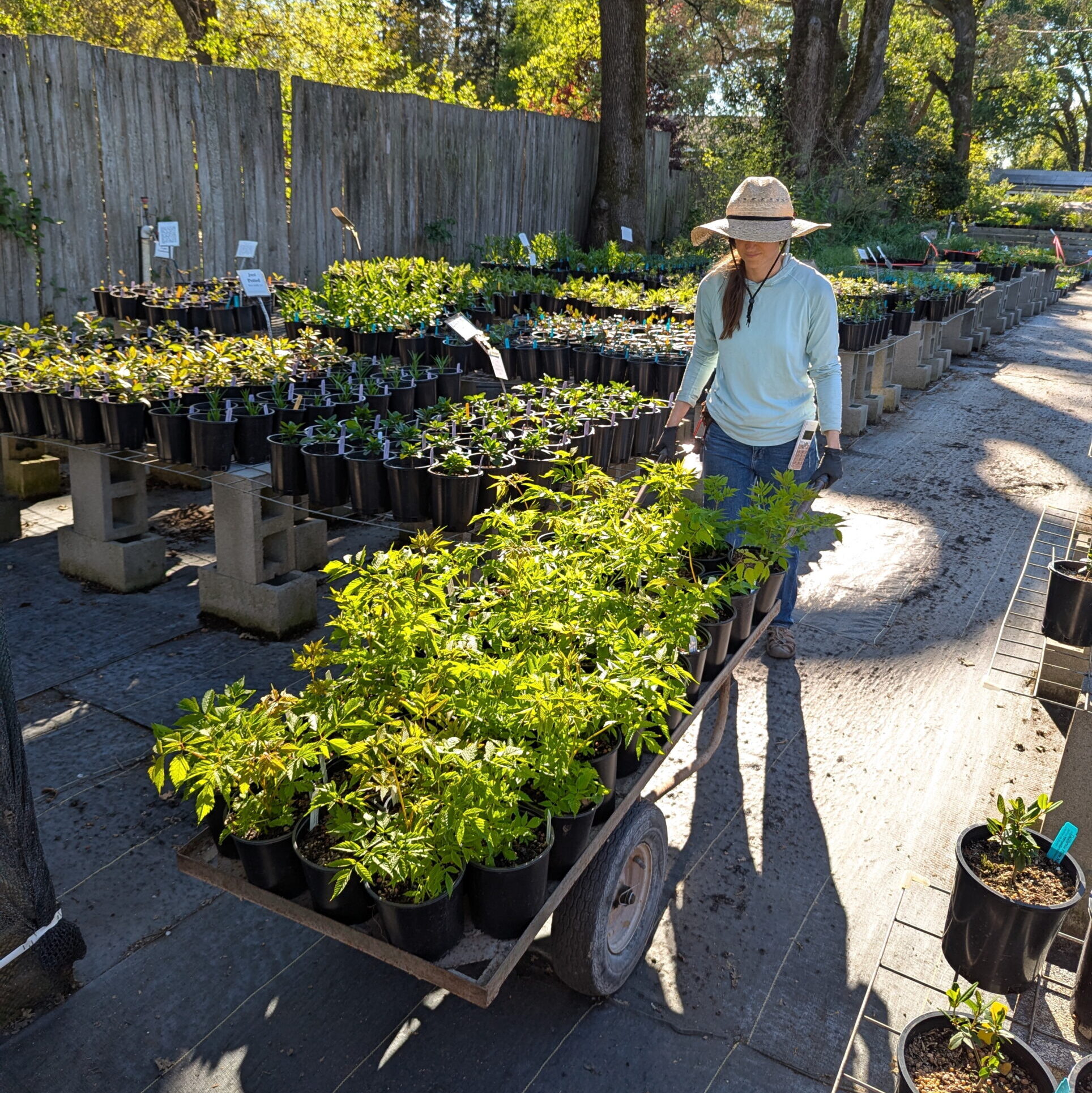
As a nursery that propagates onsite most of the plants we sell, we are busy throughout the year collecting seeds, harvesting cuttings, propagating and transplanting young plants. It is a cyclical and continual process, which means we are never bored!
One of our biggest priorities is to provide you with clean and healthy plants. We follow extensive protocols to try to ensure what you buy from us will survive and thrive.
In order to maintain and encourage healthy ecosystems, we do not use any pesticides on our plants. When harmful insects or infections are discovered, organic means are utilized to minimize damage.
PROPAGATION
We collect the vast majority of our seeds from the wild. One of the great pleasures of our nursery is exploring areas to find propagation material, from the species we sell regularly, to unusual ones which are rarely offered in nurseries. While we focus our attention on the North Bay, we collect from all over the California Floristic Province.
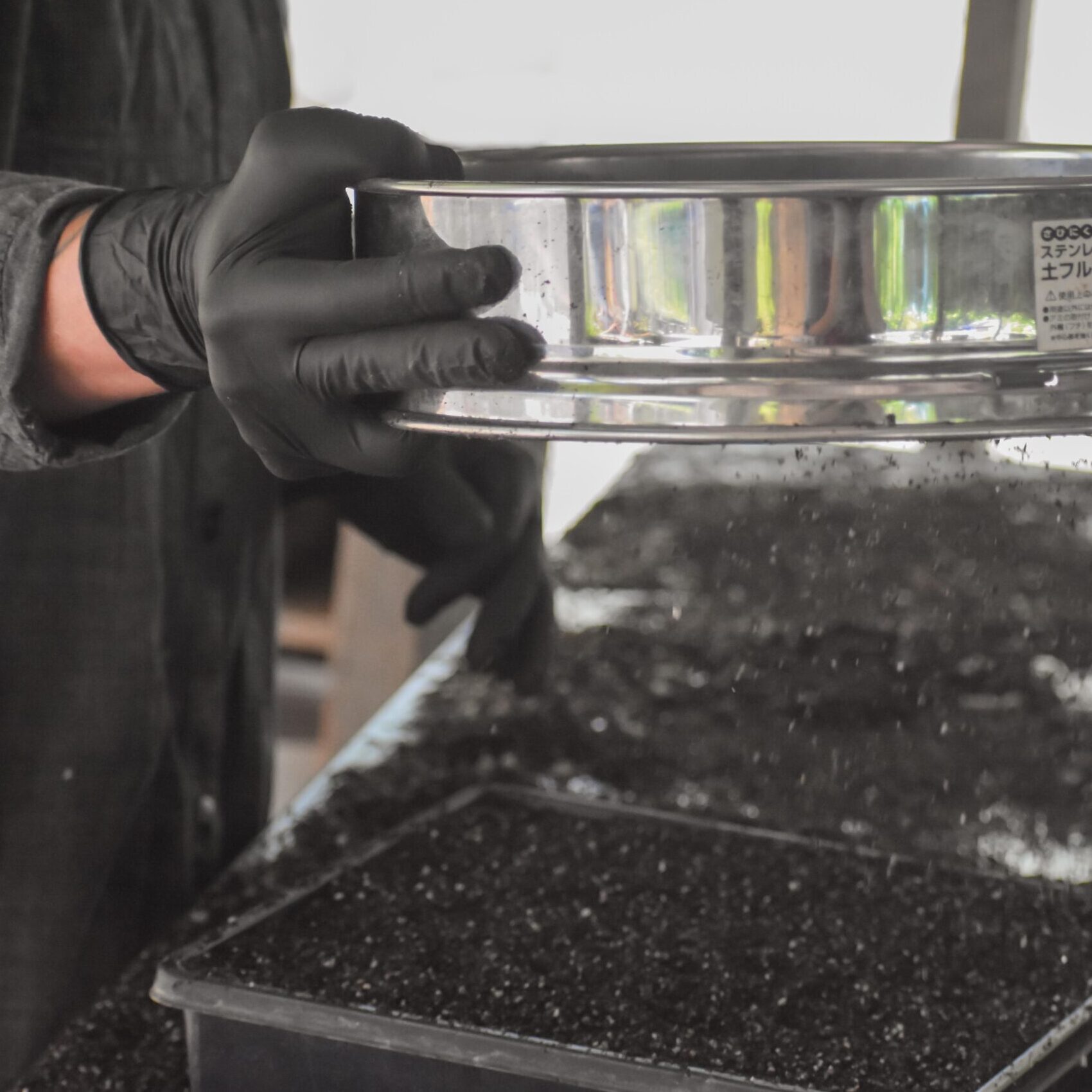
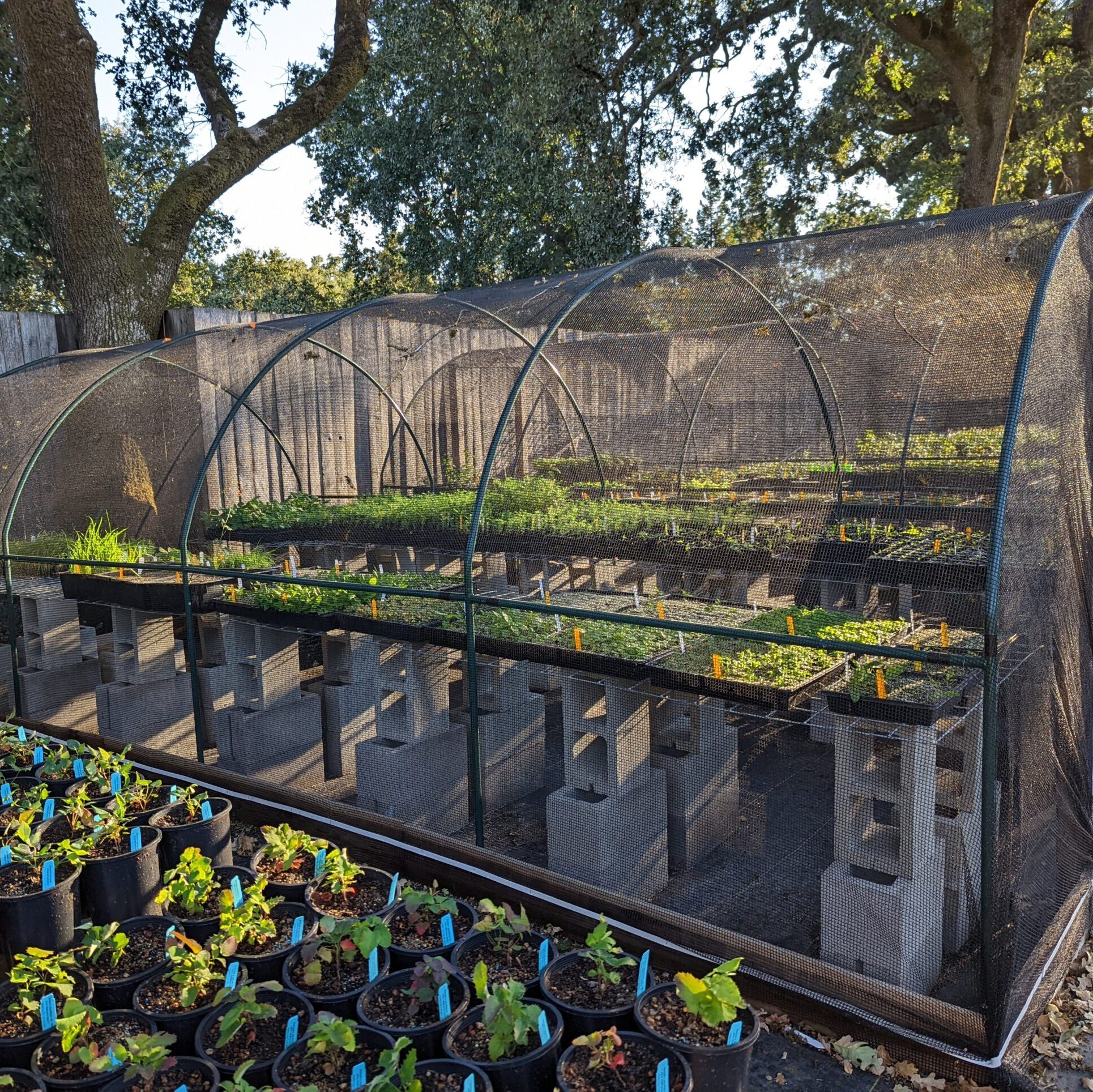
Most of our seeds are sown in trays and placed outside in lightly shaded greenhouses, where they are exposed to the elements and daily temperature fluctuations. This replicates natural processes and can help break some dormancies which inhibit germination when conditions aren’t suitable. Some seeds benefit from more involved treatments such as cold stratification (placing moistened seeds in a refrigerator), fire exposure and scarification (damaging the seed coat through abrasion).
Cuttings are taken at various times of the year, depending on the species and the hardness of the plant material. Most cuttings are placed in a perlite/vermiculite mixture in trays on bottom heat in our propagation house. Hormone is applied to the base of the cuttings and mist is provided during warmer months.
CONTAINER SIZES
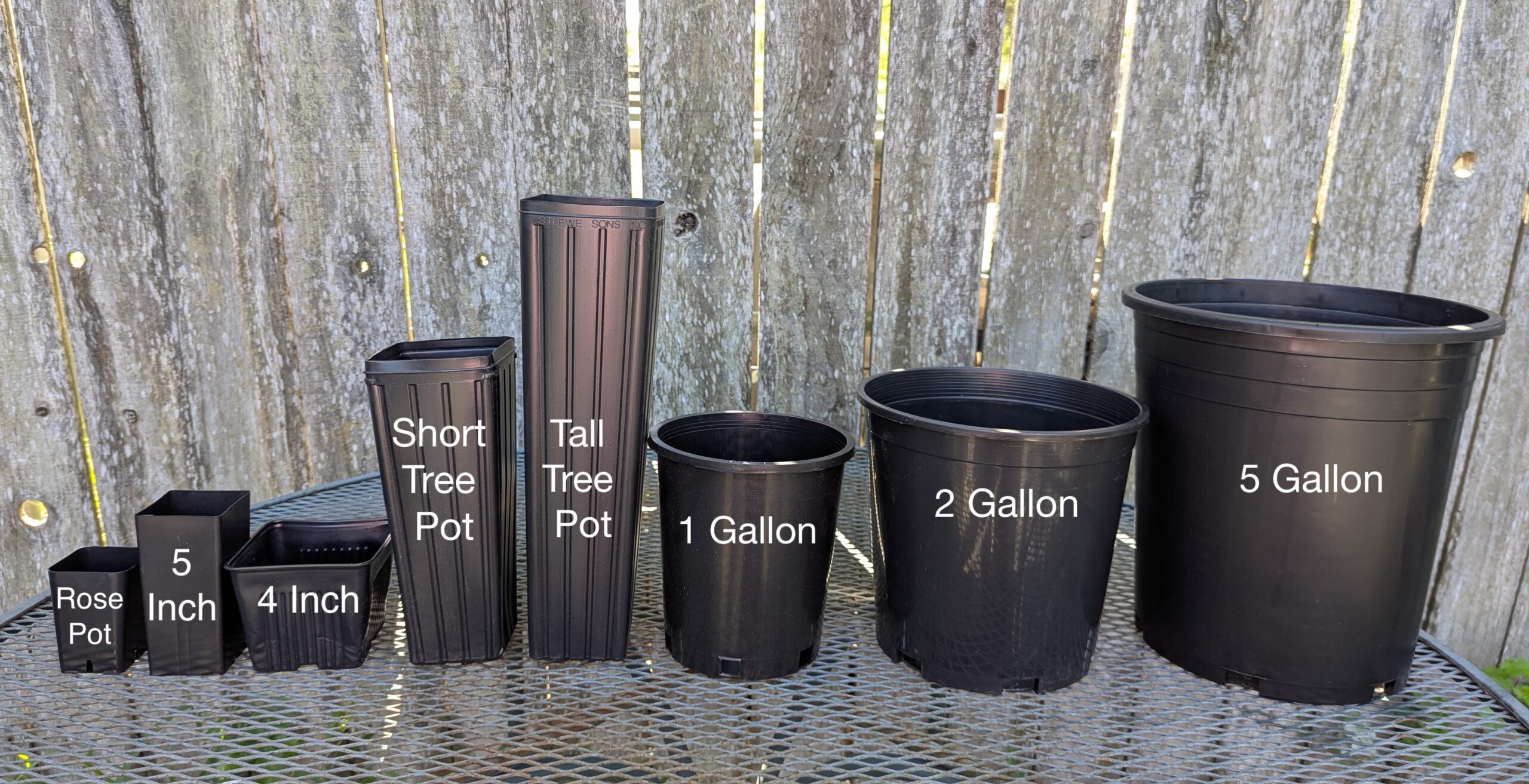
| Container | Diameter | Height | Volume |
|---|---|---|---|
| 5 Gallon | 10 | 11 7/8 in. | 3.26 gal. |
| 2 Gallon | 8 1/2 in. | 8 3/8 in. | 1.63 gal. |
| 1 Gallon | 5 7/8 in. | 6 7/8 in. | 0.6 gal. |
| Tall Tree Pot (TTP) | 4 in. | 14 in. | 0.8 gal. |
| Short Tree Pot (STP) | 3 3/4 in. | 9 1/2 | 0.43 gal. |
| 4 Inch (4″) | 4 in. | 3 3/8 in. | 0.2 gal. |
| 5 Inch Sleeve (5″) | 2 3/8 in. | 5 in. | 0.12 gal. |
| Rose Pot or 2 Inch (RP) | 2 1/8 in. | 3 1/8 in. | 0.06 gal. |