Helianthus californicus
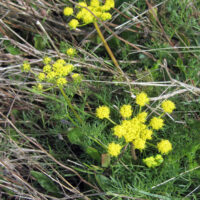
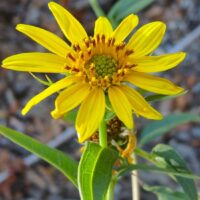
This giant, perennial sunflower is native to riparian habitats in openings with decent light. Dormant in the winter, spring brings rapid growth, with narrow, bright green leaves on tall stalks rising 7 feet or more above a root system which spreads widely. Summer brings many small, golden-yellow sunflowers on the branch tips which are quite dramatic in full bloom. Flowers attract bees and butterflies and the seeds are relished by birds. Perfect for stabilizing soil where there is some summer water and plenty of space. Once established it can take it dryish, but will flower better with water. An excellent cut flower.
Heracleum maximum
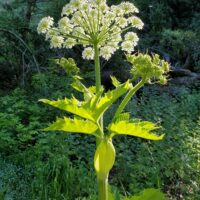
Big, bold, native perennial 3 - 8 ft. tall, is striking in mass or as a specimen. Forms a rosette of large lobed leaves followed by stout flower stems carrying large umbels of white flowers. Thrives in rich soils with some moisture. Full sun along coast, part shade inland. As a member of the carrot family (Apiaceae) the flowers are very effective at attracting beneficial insects. Larval food source for anise swallowtail butterfly. Formerly known as Heracleum lanatum.
Hesperocyparis macnabiana
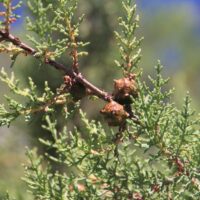
MacNab Cypress is native to dry, open, slopes, usually on serpentine, in chaparral and woodlands of Northern California. Fast growing tree or large shrub, 15 – 40 ft. tall, often with multiple trunks and a spreading crown, growing wider than it is tall. The pleasantly pungent, grey-green, foliage smells like gin and is arranged on flattened branches, giving it a somewhat lacey appearance. The bark is rough and furrowed and the cones are spherical and persistent. Plant in full sun with good drainage and little to no summer water once established. Deer resistant.
Hesperocyparis sargentii
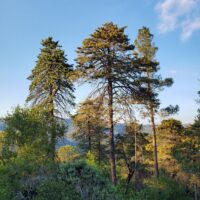
This cypress makes its home in serpentine pygmy forests from Santa Barbara to Mendocino Counties. While often dwarfed in its native terrain, this species can grow quite happily off of serpentine and may reach up to 60 ft. tall. The small, dark-green, scale-like leaves form a bushy canopy against the gray-brown trunk. A good medium-sized tree for hotter inland areas, but will also tolerate coastal conditions. The sargent cypress can grow fairly rapidly, useful as a high privacy screen or wind break. Plant in full sun to light shade and water occasionally. Will be very drought tolerant once established. Needs good drainage. Deer resistant.
Hesperoyucca whipplei
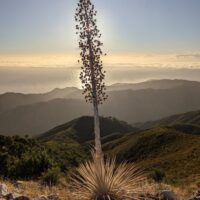
Bold and dramatic architectural accent plant native to southern California coast and mountains south to Baja. Forms a dense rosette of rigid silver-blue blades, 2 foot tall by 3 - 4 foot wide. Each blade has a VERY SHARP tip and careful thought should be given to its placement to avoid injury. Plants can take 3 to 15 years to bloom with impressive stalks rising 6 foot or more above the rosette with drooping, creamy white, bell shaped, fragrant flowers. The flowering rosette dies after blooming often being replaced by vegetative offsets. Best with good drainage in full sun to light shade. No water once established. Deer resistant
Heteromeles arbutifolia
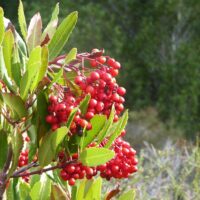
Toyon is a handsome native evergreen shrub 6 - 10 ft. tall and wide. Sun to part shade, drought tolerant. Clusters of lacy white flowers bloom in summer and areattractive to pollinators. Spectacular bundles of red berries are relished by birds and are a great winter decoration. Valuable as a specimen, screen, hedge or bank plant. Birds attracted to the fruit include the following species: Cedar waxwing, California towhee, spotted towhee, Western bluebird, robins, mockingbirds, bandtailed pigeon, waxwing and quail.
Heteromeles arbutifolia ‘Davis Gold’
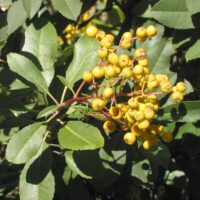
An interesting cultivar of the native toyon which bears bright golden yellow berries rather than the more common red-colored fruits. A handsome evergreen shrub 8 - 12 ft. tall and wide (or more). Sun to part shade, drought tolerant. Clusters of lacy white flowers bloom in summer and are attractive to pollinators. The showy clusters of orange-yellow berries are relished by birds and are great winter decoration. Valuable as a specimen, screen, hedge or bank plant. This selection is considered more disease resistant than most toyon.
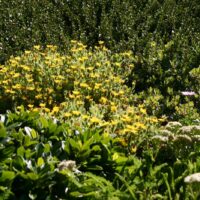
Heterotheca sessiliflora ssp. bolanderi ‘San Bruno Mountain’
Versatile and tough native perennial well suited for the rock garden front of the border or container plantings. Evergreen foliage forms low mats topped with bright yellow daisies in summer - fall. For sunny sites and dryish conditions. Flowers are appealing to bees and butterflies.
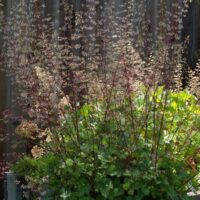
Heuchera micrantha
This is our common alum root which is usually seen on shady cliffs and roadbanks adjacent to forests. Easy to grow in garden situations. Forms low mounds of foliage topped with dainty white flowers on long stems. Likes moisture, but tolerates considerable drought and takes deeper shade than most Heuchera species. This species attracts hummingbirds.
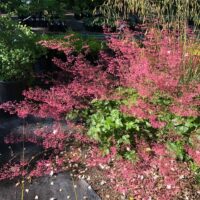
Heuchera micrantha ‘Martha Roderick’
Here’s a pink flowered form of the normally white flowered native alum root. Foliage forms handsome clumps topped with slender stalks 1 - 1 1/2 ft. tall of tiny pink flowers. Excellent in woodland setting for border, slope or rock garden. Drought tolerant but best with a little water. This species attracts hummingbirds.
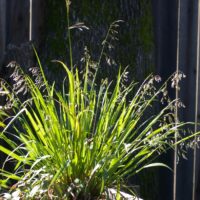
Hierochloe (Anthoxanthum) occidentalis
Here is an interesting and elegant grass native to coniferous forests. Broad, bright green, sweetly scented blades grow a foot or more tall. Flowering culms rise another 6 inches or so above the foliage with tight panicles of spikelets. The leaves offer a sweet, vanilla fragrance when dried. Excellent for woodland gardens, compatible with many redwood forest plants. Best with some summer water, but is drought tolerant near the coast. A larval host for the Western branded skipper butterfly. Deer resistant.
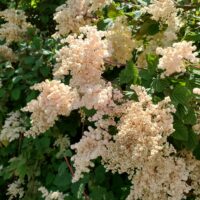
Holodiscus discolor
An elegant, deciduous, native shrub growing 5 - 6 ft. tall or more, depending on the site, and at least as wide. Beautiful, cascading clusters of creamy white flowers hang from branch tips in early summer. The fragrant flowers attract pollinators and a number of butterflies use it as a host plant. Best with light shade. Drought tolerant, but will accept some moisture.
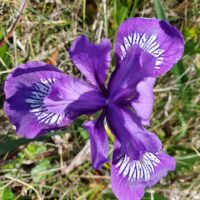
Iris douglasiana
Native to the California coast from Santa Barbara to Oregon. Grows both on the edge of coastal forests and on bluffs and prairies along the ocean. Clumps of evergreen, sword-shaped leaves increase readily and are topped with violet-purple blossoms early to mid spring. Important nectar producer for native bees. An adaptable garden subject for cool full sun to light shade. Drought tolerant once established, but occasional summer water will help keep foliage fresher. Deer resistant.
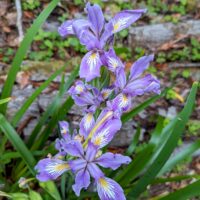
Iris douglasiana – Robust Form
We discovered this incredibly striking form of the popular Douglas iris near Tannery Gulch, outside of Occidental. The dark, evergreen leaves reach up to an astounding three feet in height, and are exceptionally broad. Even though these are grown by seed, the flowers are a dependable lavender-blue, with sprays of white and yellow, held on tall stalks reaching up to a foot above the foliage! Grows well in dappled shade in hotter areas, but can take full sun where there is coastal influence. While drought tolerant, occasional deep soaks keep them looking verdant and vigorous. Deer and gopher resistant.
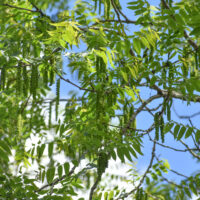
Juglans hindsii
Beautiful, deciduous tree native to riparian areas in Northern California. Canopies of pinnately compound leaves form a round-topped tree 20 - 60 ft. tall. Flowers in early spring are dangling catkins, followed by round nuts in a fleshy husk. The delicious nuts are small and held in thick, hard to crack shells. An important food source for wildlife. Prefers deep soils and is drought tolerant once established. A natural for along the upper slopes of creeks and rivers.
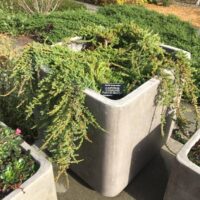
Juniperus communis ‘Point Saint George’
A striking selection from our northern coast of a species that is widespread across the Northern Hemisphere but rare on the coast of California. Sadly, the original population no longer exists due to seaside erosion. Forming dense mats of silver-green foliage under six inches tall, it slowly spreads to several feet wide. A perfect addition to the rock garden, preferring decent drainage and occasional water once established. Also works well as a container plant where the branches can cascade over the sides creating silvery waterfalls. Likes full sun to light shade. Deer resistant.
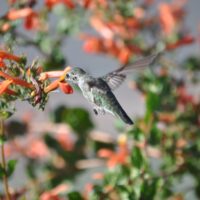
Keckiella cordifolia
This Penstemon relative produces a profusion of bright red-orange, tubular flowers on the branch tips late spring into summer which are adored by hummingbirds. It likes to climb through tall chaparral shrubs or spill down slopes. Forms an open arching mound 3 ft. by 3 ft. but can climb 6 ft. or more. Deciduous with winter cold or summer drought, semi-evergreen in milder coastal regions. Requires good drainage in sun to part shade. Moderate to little summer water. Deer resistant.
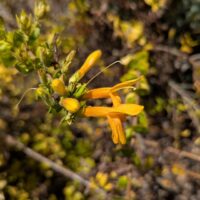
Keckiella cordifolia – orange-flowered form
Climbing penstemon is a striking-looking shrub with an open-arching form and profuse penstemon-like blooms adored by hummingbirds. In this sunny selection, the bright, pollinator-attracting blossoms are a lighter, yellow-orange color, rather than the more typical scarlet. Slender branches of heart-shaped leaves, laden from late spring into summer with tubular flowers, naturally reach vine-like over nearby shrubs, cascade down slopes, or sprawl between rocks. Can be pruned to 3 feet or so, or allowed to climb and spread more than 6 ft.. Native to coastal Southern California, it is semi-evergreen in mild climates, but deciduous inland with winter cold or summer drought. Requires good drainage and moderate to little summer water. Does well in full sun near the coast, but needs part shade in inland heat. An excellent deer-resistant habitat plant.
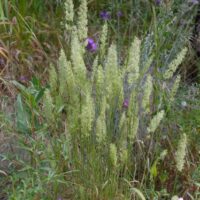
Koeleria macrantha
An evergreen perennial bunchgrass forming a rounded tuft of narrow, bluish-green blades 6 - 12 inches long. Spike-like panicles of pale green florets rise another 6 - 12 inches above the blades in summer. This widespread species grows from coastal woodlands and prairies to high mountains. Best in sunny locations with well drained soil and moderate to a little summer water. Tolerates light shade, does NOT like heavy, wet soils or deep shade. Deer resistant.
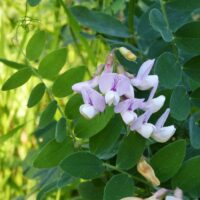
Lathyrus vestitus
From woodland to chaparral throughout much of the California coast ranges comes this charming sweet pea relative. Clusters of dainty flowers ranging in color from white to pink and lavender grace this evergreen vine in the spring, followed by clusters of small peapods. Plant along a fence or amongst shrubs where it will climb up to 8 ft. tall and wide. Provide light shade inland but will tolerate full sun near the coast. Drought tolerant once established but will also accept occasional irrigation. This vine is a host plant to the silvery blue butterfly and the arrowhead blue butterfly.
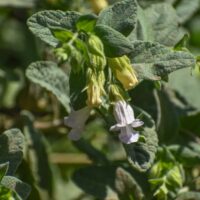
Lepechinia calycina
A super fragrant sage relative with a wide distribution in California’s coastal ranges. White to pale pink or lavender, open-mouthed, tubular flowers appear in late spring and early summer. Fuzzy, grey leaves clothe the plant all year but less densely in the winter. Can grow 2 - 4 ft. tall and wide with a rather lank form which can be improved with regular pinching. A fast growing perennial for sunny to lightly shaded areas with good drainage. Very drought tolerant once established. Attracts hummingbirds. Deer resistant.
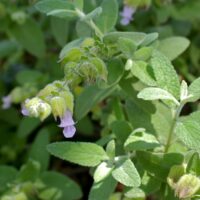
Lepechinia calycina ‘Rocky Point’
An excellent form of a native pitcher sage selected by Tilden Botanic Garden. Features a more compact habit, growing 2 ft. or more tall by 4 ft. or so wide. Pale lavender, tubular flowers appear in spring and summer, drawing hummingbirds into the garden. The fragrant, felted foliage is basically evergreen but is less dense in the winter. Plant in full sun to very light shade and provide good drainage. Very drought tolerant once established and deer resistant.

Lepechinia fragrans
This fragrant sage relative is endemic to Southern California, native to chaparral and woodlands of the Santa Monica and San Gabriel Mountains and the Northern Channel Islands. Softly hairy and strongly fragrant, this woody perennial grows around 4 - 5 feet tall and wide. Showy, lavender-purple, wide-mouthed, tubular flowers bloom in mid to late spring, attracting bumble bees and hummingbirds. Will thrive in full sun to light shade, where it will be drought tolerant once established. Pinching back foliage helps form a dense growth habit. Deer resistant.
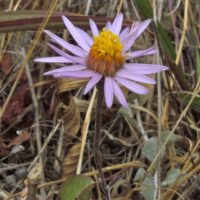
Lessingia (Corethrogyne) filaginifolia
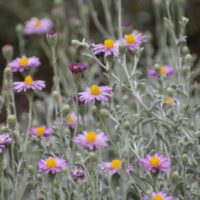
This California native perennial often hugs the ground, spreading widely, it threads its silvery foliage decoratively among other plants. Bright lavender, yellow centered aster-like flowers give a summer long season of bloom. Provide full sun to light shade, some summer water and reasonable drainage. A nectar and larval food source for butterflies. Deer resistant.
Lessingia (Corethrogyne) filaginifolia ‘Silver Carpet’
A variable species, this selection hails from the Big Sur Coast and was discovered by Carol Bornstein. Forms an attractive ground hugging mat 4 ft. or more wide. The gorgeous silver foliage is the perfect foil for the 1 inch lavender-pink daisies with yellow centers. Tolerates a wide range of conditions including full sun to light shade, drought and wind. Useful groundcover, meadow plant or spiller where its flowers are enjoyed by bees and butterflies. Best with some summer water inland. Deer resistant.
Ligusticum apiifolium
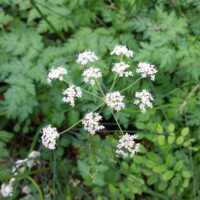
We love members of the carrot family, with their flat-topped clusters of star-like flowers and excellent habitat value. This species is no exception, though it is rarely grown in nurseries. In spring the clear-white flowers appear in delicate umbels on slender stalks 2 - 4 ft. high. The ferny, bright-green foliage stays close to the ground, rarely reaching more than a foot tall. Occurs in the Coast Range from the San Francisco Bay Area northwards. You may find this species in full sun near the coast or in bright woodlands further inland. Needs decent drainage and occasional to infrequent summer water.

Lomatium californicum
Native to lightly shaded banks or brushy slopes, this interesting native forms clumps of beautiful, ferny, blue-green leaves. The foliage has a pungent celery flavor and grows 1 ft. or so tall. The yellow-green flowers form broad umbels that reach up to 4 ft. high. Good for brightly lit woodlands that go summer dry. Plant with Heucheras, California fescue and Iris. A larval food source for the Anise Swallowtail butterfly.
Lomatium dasycarpum
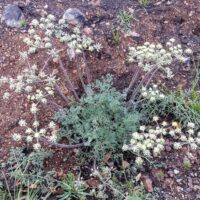
Native to chaparral, grassland and open woodland throughout much of California, this dainty little member of the carrot family produces flat-topped clusters of fuzzy flowers, yellow in bud and creamy-white when open. The fern-like leaves are gray-green and hairy. Blooms in early spring. A larval food source for the Anise Swallowtail butterfly. Needs well-drained soil and full sun to part shade. Do not water once established. Summer dormant.
Lomatium dissectum
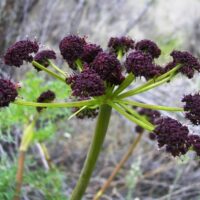
This carrot relative features clusters of small burgundy or yellow flowers held in round clusters in open umbels. Tall, slender stalks about 3 - 4 ft high support the blossoms above broad, finely dissected leaves. Pollinators love the flowers and the anise and indra swallowtail butterflies depend on the leaves as a food source for the developing caterpillars. Grows throughout much of California in hot, inland areas. Plant in full sun to light shade and provide little to no water once established. Needs excellent drainage. A rarity in nurseries.