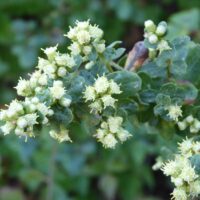
Baccharis pilularis – male
Upright form of coyote brush, growing 4 - 8 ft. tall and wide. Valued for its ability to flourish in a wide range of conditions. Also valued as an excellent habitat plant offering food and cover to a wide variety of wildlife. Flowers are not showy and the male and female flowers are borne on separate shrubs. These plants are MALE and produce ivory colored flowers with pollen and nectar. An abundance of pollinators and beneficial insects use Baccharis flowers. Plant in sun to light shade. Not fussy about soils. Quite drought tolerant once established. Responds well to pruning or shearing and is useful as a screen. Deer resistant.
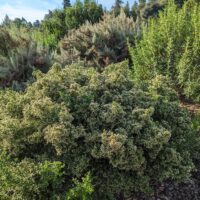
Baccharis pilularis ‘Mayacama Mound’
This dense, bright green, gumdrop-shaped coyote bush only reaches about 3 ft tall and spreads a wider. We discovered this heat and drought tolerant selection in a batch of seedlings from inland Sonoma Co.. A great alternative for the ubiquitous ‘Twin Peaks’, which is a coastal selection and less suitable for hot, dry sites. Plant in full sun to light shade where mature plants won’t need supplemental water, but an infrequent deep soak will keep them looking fresh. The small, whitish flowers are relished by pollinators in the early autumn. This selection is female, so the late autumn seeds provide an important food source for birds. A sturdy, low, evergreen shrub for tough situations.
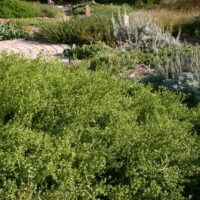
Baccharis pilularis ‘Pigeon Point’
Adaptable and dependable low growing form of the native coyote bush. Forms a mound of bright green leaves with an undulating habit 2 - 3 ft. tall and 6-8 ft. wide. Able to tolerate many soil types and watering regimes this shrub is best in full sun to light shade. Extremely drought tolerant along the coast but best with moderate to occasional summer water inland. When watered and annually trimmed to keep low and free of debris it is recommended for fire resistance landscapes. A good addition to the habitat garden, coyote bush offers excellent cover to a wide variety of wildlife. ‘Pigeon Point’ is a male selection and does not make seed. Deer resistant.
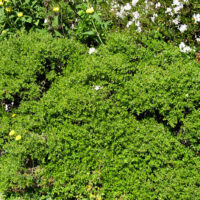
Baccharis pilularis ‘Twin Peaks’
One of the fastest, toughest, densest evergreen native large scale groundcovers. Discovered on Twin Peaks in San Francisco. Grows at least to 6 ft. wide and 2 - 3 ft. tall. Extremely drought tolerant along the coast but best with moderate to occasional summer water inland. Shear hard annually in spring to keep rejuvenated. Sun on coast, afternoon shade inland. This is a male selection so it won't produce seeds. Deer don’t seem to eat it.
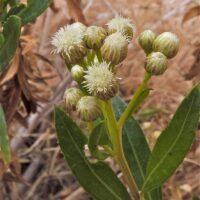
Baccharis salicifolia
This native shrub looks something like a willow in foliage and is found in similar habitats in California and the southwest US. Not a willow at all, but a member of the aster family, this evergreen shrub blooms nearly year round, making it a powerhouse for pollinators. The profusion of small, creamy white, fuzzy flowers, tinged with pink or red are highly attractive to butterflies, bees and other beneficial insects. Extremely tough and easy to grow in full sun with summer water, where it will grow 6 - 10 feet tall and wide with rich, green foliage. Able to survive drier conditions than a willow could handle, but it will look rough if it gets too dry. Responds well to pruning and can be cut down to six inches to refresh. Excellent screen, windbreak and for soil stabilization. Stellar for attracting pollinators.

Berberis (Mahonia) aquifolium
This attractive, western native evergreen has a long history in cultivation for good reason. Erect stems rise 4 to 7 feet or more tall and wide, spreading slowly by underground rhizomes to form dense clumps. Bronzy-red new growth gives way to dark-green, glossy leaves with spiny margins that are prickly to the touch. Cold winters can darken the foliage with purple-red tones. Late spring brings clusters of bright yellow, sweetly scented flowers. Edible blue-black fruits follow and are pretty and tasty. A useful and adaptable shrub in a hedge or a shrubby border. Takes full sun to part shade. Performs best with some afternoon shade in hot areas and moderate to infrequent water. A great habitat plant which provides cover, nectar rich flowers and fruits relished by all. Deer resistant.
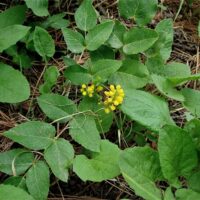
Berberis (Mahonia) aquifolium var. repens
This little cousin of the much larger Oregon grape only gets 1 - 3 ft. tall and spreads underground to create dense, evergreen drifts. The divided leaves have a matte finish with a grey-green color which turns purple-red with frost. Clusters of bright yellow flowers open in spring and are followed by deep blue "grapes" much loved by birds. The sweet-scented flowers are enjoyed by bees and butterflies. Provide full sun to shade and moderate to infrequent irrigation. Deer resistant.
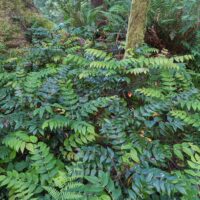
Berberis (Mahonia) nervosa
A handsome species with especially long, leathery, evergreen leaves. Grows to around 2 or more feet tall and spreads by underground stems. Yellow flowers in spring are born in upright clusters, followed by blue berries. Great woodland groundcover for full or partial shade with occasional to regular summer water. Deer resistant. Fruits eaten by robins, finches and towhees. The flowers have nectar for hummingbirds and bees.
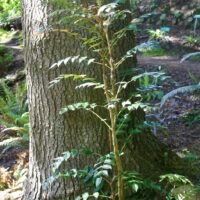
Berberis (Mahonia) nervosa var. mendocinoensis
The rare Mendocino longleaf mahonia comes from moist coniferous forests around Fort Bragg. Differs from the more diminutive longleaf mahonia in its unusual size: growing slowly to 5 ft tall or more and spreading to form narrow colonies. The pointed, leathery, deep green leaves, bronzy orange when young, provide a striking contrast to the bright yellow flower clusters produced in the spring. Attractive deep purple berries are a food source for birds. Needs shade and moderate moisture. Deer resistant.
Berberis (Mahonia) nevinii
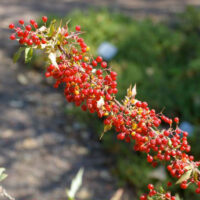
Nevin's barberry is a very rare southern California shrub with rigidly arching stems densely clothed in pointy silver gray leaflets. Heavy blooming with clear yellow flowers followed by heavy fruiting with bright red translucent fruit. 8 ft. by 8 ft. Does well in sunny well drained locations in the Bay Area. Great companion to matilija poppy and Salvia clevelandii. Very drought tolerant but best with occasional water. Deer resistant.
Blechnum (Struthiopteris) spicant
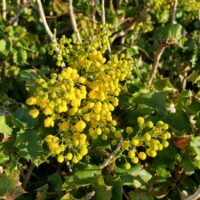
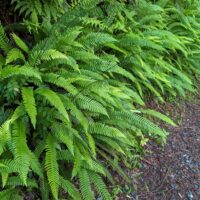
A beautiful and charming fern native to moist coastal forests of northern California. Deep green glossy, narrow fronds are of two strikingly different forms. The outer skirt of fronds is evergreen. The central "fertile" fronds are stiffly erect and airy. It makes for a striking effect. Grows 18" to 2 ft. tall and wide. Best with partial shade to shade and regular moisture.
Calamagrostis foliosa
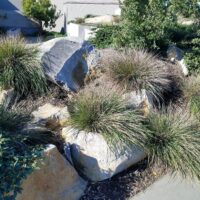
A beautiful native grass offering a very useful size and form for the landscape. Growing one foot tall by two feet wide with beautiful arching mounds of blue-grey blades often highlighted with purple tones. Spring brings flower spikes on arching stems with tight silvery- purple heads that turn tawny with age. A natural for coastal climates with good drainage and moderate to occasional watering, where it will tolerate wind and salt spray. In warmer interior sites it requires some shade and additional water. Excellent as a specimen or in mass, in a rock garden, perennial border, meadow, woodland margin or slope. Deer resistant.
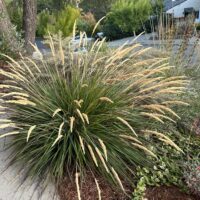
Calamagrostis foliosa x nutkaensis ‘Little Nootka’
This robust, but elegant bunchgrass was discovered by Cal Flora as a chance cross between the Pacific and Mendocino reed grasses. A beautiful garden plant which inherited useful traits from both parents. It’s shorter and denser than the Pacific reed grass, with foliage reaching up to about 1 ½ ft. high, but still retaining its lush, broad, green leaves. One can see the influence of the Mendocino reed grass in the broader form, spreading up to 3 ft. wide. The tight grass flowers are generally held upright on prolific stalks which rise to about a foot above the foliage. Plant in full sun near the coast, but with some afternoon shade in hotter areas. Somewhat drought tolerant once established. Accepts moderate to occasional irrigation. Deer resistant.
Calamagrostis koelerioides
An uncommon but widely distributed mid-sized native grass appearing in meadows and on rocky ridges throughout California. The soft green leaves reach a height of up to 2 ft. tall and will slowly spread to create a small clump. Narrow, feathery grass flowers reach 2 - 3 ft. high in summer and age to a pale tan color. Since this grass is new to us and we don't know of any other nurseries who have grown it, we are uncertain of its requirements. Based on this species' habitat in nature, we would recommend providing it full sun to light shade and moderate to infrequent irrigation with excellent drainage. Deer resistant.
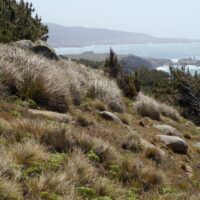
Calamagrostis nutkaensis
A large handsome bunch grass from the coastal regions of Monterey County to Alaska that forms huge tussocks in open moist meadows and on coastal bluffs. It can also be found as an understory at the edges of coniferous forests. Wide green blades grow 2 - 3 ft. tall with flowering culms to 4 ft. Good background or accent plant for the woodland or meadow. Will take full sun in somewhat cooler areas. Best with some summer water and partial shade inland. Deer resistant.
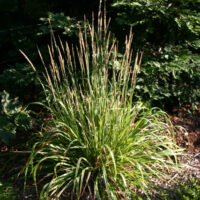
Calamagrostis nutkaensis ‘The King’
Large, handsome, evergreen native bunch grass selected by Roger Raiche in the King Range on the North Coast. Big bold deep green foliage and robust form 3 - 4 ft. tall and wide. Flower stalks rise a foot or two above the foliage. Good background or accent for woodland or partly shaded meadow. Will take full sun in somewhat cooler areas. Best with some summer water. Deer resistant.
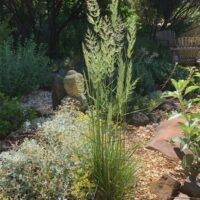
Calamagrostis ophitidis
This handsome native bunchgrass deserves special attention for its tidy, upright form and sturdy character. A rare and threatened species from serpentine areas along our central coast, serpentine reed grass performs well in full sun but may need afternoon shade in hot, inland locations. The leaves reach a height of between one and two feet with flower spikes rising up to three feet tall. Does best with decent drainage and moderate summer water. Deer resistant.
Calamagrostis rubescens
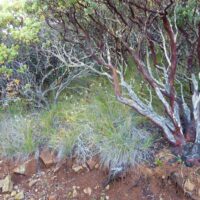
Native to wooded areas throughout the West, this slowly spreading grass forms dense drifts excellent for naturalizing in bright shade. The foliage reaches a height of about 12 inches with narrow inflorescences rising another 12 inches or so. While drought tolerant, it enjoys an occasional watering. Works well under oaks. Deer resistant.
Calamagrostis stricta ssp. inexpansa
Attractive apple-green leaves and a tidy appearance make this mid-sized reed grass very useful for the native garden. The broad leaves reach a height and width of about 2ft. with inflorescences rising another foot. Plant in full sun to light shade and water regularly. Very rare in Sonoma County and uncommon throughout Northern California. Deer resistant.
Calamintha nepetoides
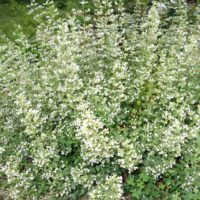
A pretty, little, non-spreading mint relative, forming a rounded shrublet of shiny, bright green foliage to around 1’ tall and about 2 ft wide. Covered with hundreds of tiny, pale blue, nearly white blossoms over a long period in summer. Good for full sun to light shade with moderate watering. Tolerant of clay soil. One of our bee magnets. Deer resistant.
Calliandra californica
Clusters of bright red flower filaments, resembling little dusters, adorn this Baja California native for much of the year. The dainty, fern-like leaves are generally evergreen, though they are less ubiquitous in the winter. This mid-sized shrub reaches up to about 5 ft tall over time and spreads to 5 ft wide, forming a loose, rounded mound. Hummingbirds and butterflies favor the flowers on this unusual member of the pea family. Hardy to around 25 degrees. Plant in full sun to light shade and provide occasional to no irrigation once established. Said to be tolerant of clay soils, but will not like flooding.
Calocedrus decurrens
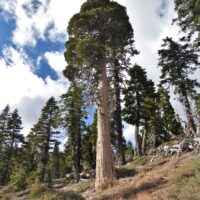
Cinnamon colored bark and a distinctly conical form distinguish this lovely conifer known for its appealing woodsy scent. Bright green, scale-like leaves drape from the ends of branches in dense clusters with small, flattened cones.Native to rocky areas throughout California. Slowly grows to become a large tree not suitable for a small garden. Requires decent drainage and occasional deep waterings when young. Enjoys full to part sun.Striking when planted as a single specimen or when combined with broadleaved trees such as maples and oaks. Deer resistant.
Carex barbarae
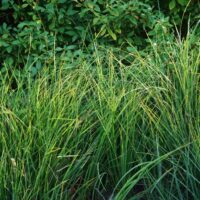
Widely distributed native sedge that is an important traditional basket fiber plant. Bright green sharp blades in clumps 1 - 3 ft. tall and spreading. Oval-shaped tufts of small reddish-brown flowers on spikes at the tip of the flowering stems. An attractive sedge, though it can be invasive. For sunny or partly shaded areas with regular to moderate moisture. Drought tolerant in clay soils or with some shade. Handsome container plant too. Often used in bio swales and riparian restoration. Deer resistant.
Carex densa
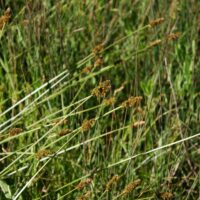
While uncommon in nurseries, this semi-evergreen sedge forms green tussocks which are very useful in seasonally moist meadows and open woodlands. Elongated, chunky seed heads rise above the dense leaf blades on slender stalks up to 2 ½ ft. tall. The foliage reaches 1 to 2 ft. high and slowly spreads to form small clumps. Useful for smaller gardens where you want a sedge that doesn’t spread super vigorously. Tolerates summer drought in somewhat heavier soils. A little extra irrigation will keep this sedge more evergreen. Native to much of California and north to Washington. Deer resistant.
Carex globosa
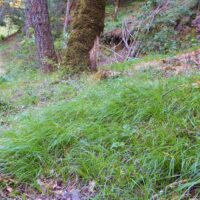
Here is a sturdy and useful woodland sedge native to well-drained soils in wooded areas. Grows 6 - 12 inches tall and spreads slowly to form bright green tussocks. Useful as a filler among shrubs or trees in filtered shade where it tolerates drought; but some summer water will keep it looking fresh for longer. Great under oaks. Deer resistant.
Carex obnupta
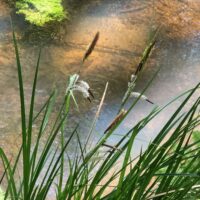
From moist coastal sites to shady redwood forests comes this tall sedge, one of the tallest of our native sedges. Spreads vigorously to form dense drifts up to 4 feet in height. One of the more shade tolerant sedges, the slough sedge can grow under the darkness of a redwood canopy but will also accept full sun as long as it has access to moisture. A great plant for naturalizing in moist areas. Used by native peoples for basket making.
Carex pansa
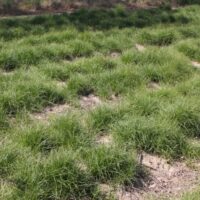
A durable spreading sedge which can be used as a lawn substitute or unmowed meadow. Growing 8 -12 inches tall and spreading by rhizomes to form dense colonies of curling dark green foliage. The foliage is evergreen in mild climates and grows well in full sun to partial shade with regular to occasional water. Too much drought causes summer dormancy. Flowers appear in early spring but are not real showy. Deer resistant.
Carex praegracilis
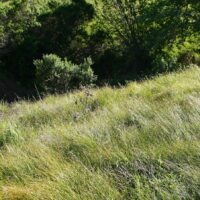
Similar to Carex pansa but growing taller. The fine textured grass-like blades can reach a foot or more tall and spreads freely by rhizomes to form a thick weed smothering groundcover. Useful for meadows, green roofs, bio-swales, erosion control and as a lawn substitute. Can be left natural where it has a lush tousled appearance or trimmed occasionally for a low turf-like appearance. Tolerates drought, inundation, poor soils, salt spray, heat, cold, shade and foot traffic. Plant in sun to light shade where it requires some summer moisture but far less than a conventional lawn. Will go summer dormant if allowed to get too dry. Deer resistant.
Carex praegracilis ‘Chisai’
An excellent cultivar of the native field sedge, selected for it's compact form and slower spreading habit. Increases by short rhizomes to form a sturdy, dark-green carpet, 6 -8 inches tall and 1 - 2 ft wide. Grows more clumping and significantly tighter than the rapidly spreading forms more typical of the species. Still, it will form a solid, small scale ground cover or turf substitute, between stepping stones or mixed with bulbs and perennials for a meadow affect. Plant in full sun to light shade with occasional to moderate water. Tolerates light foot traffic. Deer resistant.