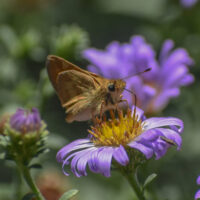
California Native Plants for Butterflies
By Kaitlin Magoon
As with many pollinators, one of the side benefits of supporting the butterflies in our gardens is that their favorite foods tend to be highly decorative and aesthetically pleasing. However, even if a particular landscaped space can't be a flower garden, it’s still possible to make it an inviting stop for some of the most elegant of our native wildlife. In fact, planting for butterflies can look like everything from colorful beds of blossoms to a well-chosen hedge, fruiting shrub, or shade tree. Whether one’s goal is to create a butterfly haven or just encourage the occasional visit, this can be achieved with the right selection of native plants.
While the most valuable food sources for adult butterflies are mainly flowering perennials and shrubs, the list of their larval host plants may look a bit different. Which plants butterflies and moths can eat as caterpillars is determined by a long history of co-evolving with local native flora. Only very specific plant species are palatable and nourishing for them. Given the exceptional biodiversity of California, the plants with which they form these unique relationships are as diverse and interesting to look at as the landscape and the ecosystems in which they are found.
Butterflies, with their delicate, brightly-colored wings, will add to the appeal of any planting. Although butterflies get the most attention, moths can be just as beautiful (even if their habits, such as night-time pollination, make them less often seen). Many moths are also an important part of wildlife gardens as their larvae are used as food by birds and other creatures.
It is generally agreed that the best butterfly gardens are the ones that support a variety of Lepidoptera species as both adult butterflies and caterpillars.
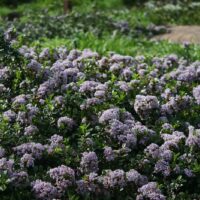
Fire Safe Landscaping
By Amber Huntington
Wildfire resilience begins at home—literally. A thoughtfully designed landscape using California native plants can dramatically reduce wildfire vulnerability while supporting biodiversity, water conservation, and long-term ecological health. Fire-safe landscaping isn’t about eliminating plants; it’s about rearranging, maintaining, and selecting them wisely. California natives are uniquely adapted to our climate’s cycles of drought, heat, and fire, making them ideal allies in creating a defensible space that looks beautiful year-round.
Before choosing plants, it’s essential to understand the three defensible space zones defined by CAL FIRE and adapted here for home gardeners. Zone 0 (0–5 feet) is the immediate non-combustible zone around structures, where the priority is removing anything that can catch fire. Zone 1 (5–30 feet) forms the lean, clean, and green buffer—plants are widely spaced, with meticulous maintenance. Zone 2 (30–100 feet) is the transition zone, where low-density, well-maintained vegetation creates reduced fuel continuity. Organizing your landscape around these zones helps slow fire, protect structures, and give firefighters room to work.
Zone 0: 0–5 feet—no combustibles, minimal vegetation.
Zone 1: 5–30 feet—widely spaced, low-volume plantings.
Zone 2: 30–100 feet—broader spacing, reduced fuel loads.
Zones help slow fire and protect structures.
Zone 0 is your home’s closest layer of protection and the most critical. Plants are generally not recommended here; instead, use gravel, decomposed granite, stone, or hardscape. If vegetation is absolutely desired—for aesthetic or ecological reasons—select low-profile, moisture-retentive, non-woody California natives in containers. Keep leaf litter cleared, irrigation functioning, and avoid storing firewood, mulch piles, or tools against the house.
Zone 1 (5–30 Feet): Low-Growing, Low-Fuel, Well-Maintained NativesZone 1 is where California native plants can shine—as long as they’re low-growing, widely spaced, and carefully maintained. Here, choose species with high moisture content, minimal
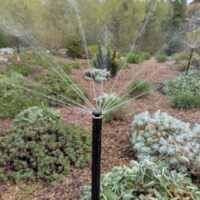
How to Water Your Native Plants
By Josh Williams
Understanding how to water California native plants is one of the most important and least understood aspects of creating a healthy and flourishing native garden. We get asked about irrigation nearly every day: Do I water my natives once a week for their entire lifetime, or, since they’re drought tolerant, should I leave them alone as soon as they get in the ground? Hopefully, this guide will help answer some of your questions.
Adaptation to California’s climatesMuch of traditional Western Gardening traces its roots to Northern and Central Europe, where plants received ample summer rain. Throughout our horticultural history, we’ve been trained to desire a lush and verdant landscape with species that require regular irrigation. These old habits can be difficult to break.
Most of California’s native plant species are adapted to a Mediterranean climate, where winters are cool and moist, but summers are warm and dry. When we keep our natives too hydrated in the summer, the combination of warmth and excessive moisture can cause microbes in the roots and stems to flourish, inhibiting the uptake of water. What is essentially happening is your plants are not absorbing enough moisture, which is why a drought stressed plant can look similar to one that is overwatered. In winter, when the weather is cooler and species are accustomed to receiving regular rain, this problem is much less likely to arise. This is why it is important to water established plants on cooler days in the summer, either in the evening or the early morning.
Cool and moist = happy!
Warm and wet = dead!
Of course, there are exceptions. Plants that grow along streams or along our coastline are adapted to having regular access to moisture and will require that