Exposure

Part Shade

Grid View List View

Vitis girdiana

Vitis girdiana

desert grape

This close relative of Vitis californica is native to southern California where it grows stream side or in moist canyons. Fast growing and heat tolerant, this vigorous vine can climb up to 50 ft. The growing tips, tendrils and new leaves are covered in downy hairs, providing gorgeous silvery colored new growth. Beautiful when allowed to spill and climb over walls or when trained to a fence or arbor. A good choice for hotter inland gardens. The purple-black fruits are highly attractive to birds and other mammals, including humans!

Whipplea modesta

Whipplea modesta

modesty

The common name “modesty” fits this unassuming evergreen creeper. Though not super showy, one has to admire its ability to thrive on difficult sites. A good stabilizer native to forests of the Coast Ranges where it tolerates dry shady situations. Will appreciate a little summer water, but it is drought tolerant once established. Numerous tiny white flowers in late spring. Deer seem to leave it alone.

Woodwardia fimbriata

Woodwardia fimbriata

giant chain fern

The evergreen giant chain fern is the largest American fern, with striking fronds 4 - 6 ft. tall. Prefers part shade but will accept darker conditions. Will grow in open, somewhat sunny areas within the fog belt, as long as it has access to moisture. Great in moist woodland gardens near a stream or against a shady wall. Keep in mind, this fern likes some moisture but does not want to be kept wet. Allowing it to dry out just a little between waterings can be beneficial. To keep it looking fresh and vigorous, cut back to the ground in late winter just before the new fiddleheads begin to emerge. Deer resistant.

Wyethia angustifolia

Wyethia angustifolia

narrow leaved mule ears

Few hikers can resist the bright, golden-yellow flowers of this showy native sunflower relative. The large, 2” - 3” wide flowers perch atop stems 1.5 - 3 ft. tall in the spring. Bright green, lance-shaped leaves form low rosettes at the base of the flower stalks. This mule ears grows in sunny meadows and at the edges of woodlands. Perhaps the most garden tolerant of all of the mule’s ears, accepting occasional irrigation once established but not requiring it. Does not mind soils with poor drainage. A great plant for bees, butterflies and birds. Will go dormant once it finishes flowering but will re-emerge after the rain returns.

Wyethia glabra

Wyethia glabra

smooth mule ears

Description coming soon!

Wyethia helenioides

Wyethia helenioides

gray mule ears

One of our less common native Wyethia, gray mule ears is a special find in nurseries. Strikingly large, upright leaves frame flower stalks that resemble little sunflowers with their wide golden discs and halo of yellow ray petals. Endemic to California, this radiant perennial wildflower is a welcome sight in woodland meadows of the Northern and Central Coast Ranges. A covering of silvery hairs on the broad, erect leaves gives the species its name. Lush, gray-green foliage emerges mid-winter followed by a spring floral display from March through early summer. Low-growing at up-to 2 feet tall and wide, it makes an impression greater than its stature. Eventually goes dormant as fall approaches. Does well in the garden if given decent drainage, good light, and minimal water once established. Bees and butterflies adore the flowers.

Wyethia mollis

Wyethia mollis

mountain mule ears

Description coming soon!

Xerophyllum tenax

Xerophyllum tenax

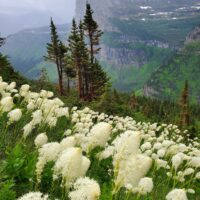
bear grass

Description coming soon!

Previous